
Animals That Regenerate: Nature's Masterpieces of Restoration

Regeneration in Nature
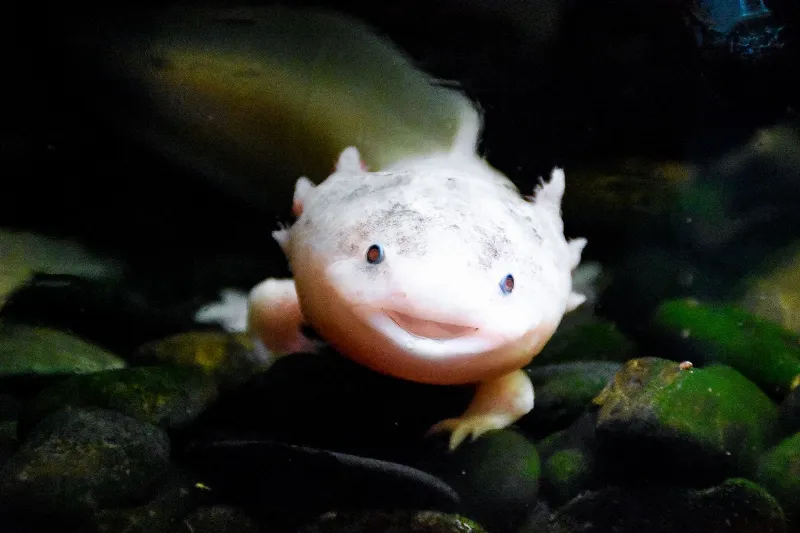
Regeneration is not just a science fiction concept; it is a reality for a select group of animals that can regrow lost body parts. Among these, the axolotl stands out, capable of regenerating limbs, spinal cord, heart, and even parts of its brain. This amphibian, native to Mexico, retains its larval features throughout its life, a trait known as neoteny, and exhibits extraordinary healing abilities that scientists are eager to understand.
Other Remarkable Regenerators
Starfish are another fascinating example. These marine creatures can regenerate lost arms, and in some cases, an entire new starfish can grow from a single severed arm. This ability is not just limited to limbs; they can also regenerate their internal organs. Planarians, a type of flatworm, take regeneration to another level, as they can rebuild entire bodies from tiny fragments. A single piece of a planarian can develop a new head and tail, demonstrating a remarkable degree of cellular plasticity.
The implications of studying these regenerative abilities extend beyond mere curiosity. Understanding how these animals heal themselves could inspire breakthroughs in regenerative medicine for humans, potentially leading to treatments for injuries and degenerative diseases. As research progresses, the secrets of regeneration may unlock new avenues for healing and restoration in the human body.
Nature's ability to regenerate lost limbs and organs offers a glimpse into biological resilience that continues to inspire scientists. As we delve deeper into these capabilities, the hope remains that understanding these processes will aid in developing innovative medical therapies that mimic nature's own healing mechanisms.
Hungry for more?
Explore thousands of insights across all categories.
