
Factors Behind the Disappearance of the Ancestral Puebloans

Entering the Puebloan World
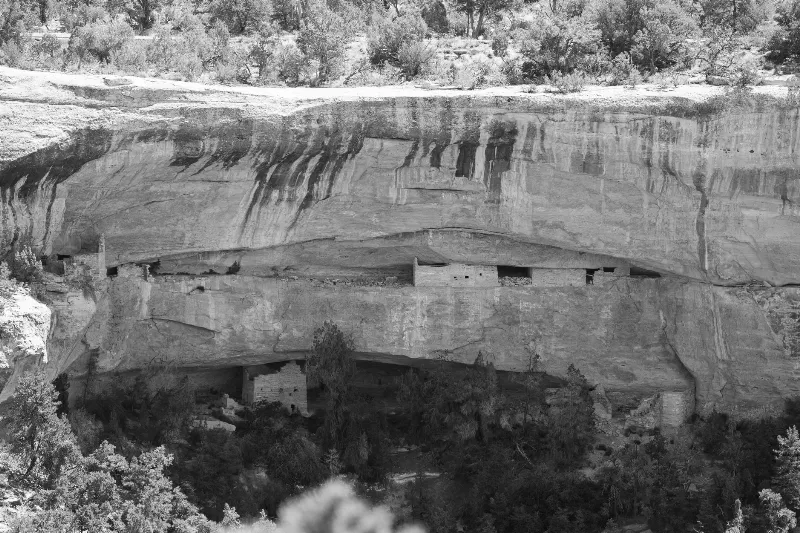
Amidst the towering cliffs of the American Southwest, the Ancestral Puebloans created intricate dwellings nestled into the rock formations. Here, families gathered, sharing stories and traditions, crafting pottery, and cultivating crops that sustained their community. This vibrant society thrived for centuries, building impressive structures in places like Mesa Verde and Chaco Canyon. Yet, by the late 13th century, these once-bustling hubs fell eerily silent, leaving behind only remnants of their existence.
Environmental and Social Pressures
As the Puebloans flourished, they faced the challenges of their environment. The region experienced periods of intense drought, leading to dwindling water supplies and crop failures. As resources became scarce, competition for these essential needs intensified. This strain on their environment impacted social structures, causing tensions within and among communities. With diminishing resources, the cohesion that had once united the Ancestral Puebloans began to fray.
In addition to environmental factors, shifts in societal organization may have played a role in their decline. The centralization of power in places like Chaco Canyon created a dependency on trade and tribute, making communities vulnerable to disruptions. When drought hit, the failure of trade routes could have led to a breakdown in the social fabric, prompting some groups to abandon their ancestral homes.
Migration and Legacy
As the 13th century waned, many Ancestral Puebloans chose to migrate. Some moved southward, seeking more hospitable climates and fertile land, while others dispersed into smaller groups, adapting to new environments. This migration marks a significant shift in their cultural landscape, as they integrated into different communities and evolved their traditions.
The legacy of the Ancestral Puebloans lives on in the descendants of the Pueblo tribes today. Though their disappearance remains partially shrouded in mystery, the stories of their resilience and adaptation continue to resonate. Their intricate pottery, architectural feats, and rich cultural practices serve as a testament to their enduring spirit, echoing through the canyons and mesas they once called home.
Hungry for more?
Explore thousands of insights across all categories.
