
Common Myths About Trees' Role In Ecosystems Uncovered
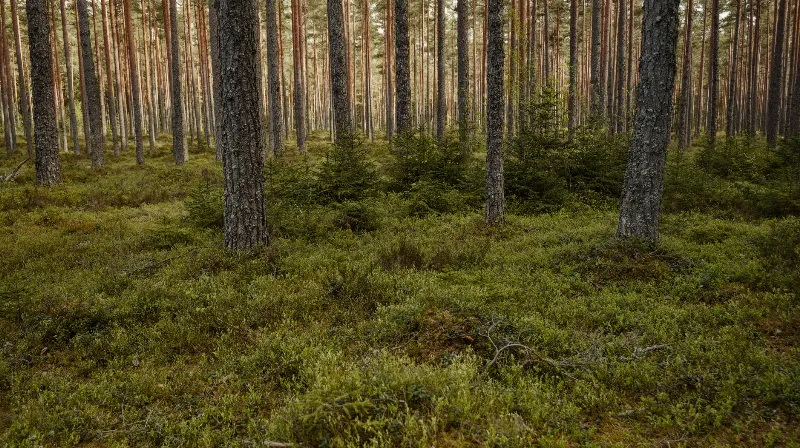
Trees: More Than Just Oxygen Providers
Many people believe that trees primarily exist to produce oxygen and provide shade. While these functions are indeed vital, trees play a much more complex role in their ecosystems. They are essential players in the intricate web of life, influencing not just the air we breathe, but also the soil, water, and various species that inhabit their surroundings.
Supporting Biodiversity
Trees are a habitat for countless species, from birds to insects, and even fungi. A single mature tree can support hundreds of species, creating a micro-ecosystem that thrives within its branches and roots. This biodiversity contributes to the resilience of the ecosystem, helping it recover from disturbances. For instance, diverse tree species can withstand diseases better than monocultures, thus maintaining the health of the forest.
Furthermore, trees facilitate complex interactions among species. For example, certain trees provide food and shelter for birds, which in turn help control insect populations. This interdependence highlights how trees are integral to maintaining ecological balance.
Soil Health and Water Regulation
Another common misconception is that trees only contribute to soil health by preventing erosion. While this is true, their role extends to enhancing soil fertility as well. Tree roots penetrate deep into the ground, breaking up compacted soil, which allows water to infiltrate more effectively. Additionally, fallen leaves and organic matter from trees enrich the soil, promoting a diverse range of microorganisms essential for nutrient cycling.
Moreover, trees play a crucial role in water regulation. They absorb and store rainwater, reducing runoff and preventing flooding. This natural filtration process ensures that clean water enters the groundwater supply, benefiting entire ecosystems and human populations alike. In urban areas, trees can mitigate heat and improve air quality, showcasing their diverse benefits.
Climate Regulation Beyond Carbon Sequestration
While it's widely accepted that trees sequester carbon dioxide, their impact on climate regulation encompasses much more. Trees influence local climates by providing shade, reducing temperatures, and even affecting rainfall patterns. Through the process of transpiration, trees release water vapor into the atmosphere, which can lead to increased humidity and precipitation in surrounding areas.
This cooling effect is particularly crucial in urban environments, where temperatures can soar. By planting trees in cities, we not only improve air quality but also create more livable spaces. The cooling shade of trees reduces the need for air conditioning, leading to lower energy consumption and a smaller carbon footprint.
Conclusion
Understanding the multifaceted roles of trees in ecosystems shifts our perspective on their importance. They are not just providers of oxygen but crucial components of biodiversity, soil health, and climate regulation. As we face environmental challenges, recognizing the invaluable contributions of trees becomes essential for conservation efforts and sustainable practices.
Hungry for more?
Explore thousands of insights across all categories.