
Common Misconceptions About Honey's Origins Unraveled
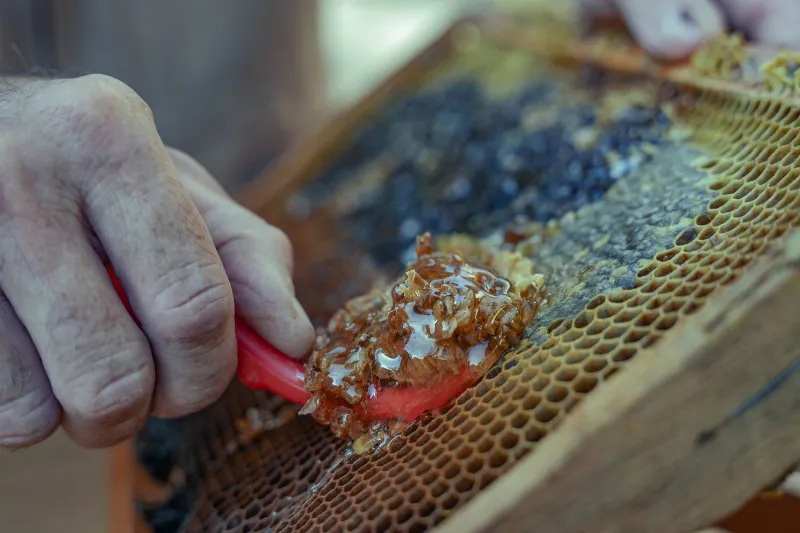

Honey's Journey: More Than Just Bees
Honey isn’t merely the product of bees buzzing around flowers. It involves a fascinating interplay between nature and human cultivation. While bees play a crucial role in producing honey, they are not the only contributors to its final form. In fact, the process includes various environmental factors and human practices that can significantly influence the taste, texture, and quality of honey.
Floral Diversity Shapes Flavor
Many believe that honey is uniform in flavor and composition, but this couldn’t be further from the truth. The floral sources available to bees create a diverse range of honey types, each with its own unique characteristics. For example, clover honey is light and mild, while buckwheat honey has a robust and earthy flavor. The local flora where bees forage plays a critical role in determining honey’s end product. This means that two jars of honey can taste completely different depending on where they were sourced.
Additionally, human intervention through beekeeping practices can impact honey production. Beekeepers may introduce specific plants to encourage bees to collect nectar from desired sources, further altering the flavor profile. This blend of natural and human factors results in a rich tapestry of flavors in honey that many consumers overlook.
Honey's Preservation Secrets
Another common misconception is that honey's long shelf life is due solely to its natural properties. While it’s true that honey has remarkable preservative qualities, its longevity is enhanced by the methods used in harvesting and storing it. When honey is collected and stored properly, with minimal exposure to moisture and contaminants, it can remain edible for years, even centuries. Archaeological finds of honey in ancient Egyptian tombs highlight this aspect of honey’s preservation, revealing how our ancestors valued this sweet substance.
This durability not only showcases honey's unique chemical composition but also its cultural significance throughout history. Honey has been used not just as a food source but also in medicinal practices and rituals, demonstrating its multifaceted role in human civilization.
Reflecting on Honey's Complexity
Understanding honey's origins goes beyond simply knowing it comes from bees. The intricate relationships between floral sources, environmental conditions, and human practices shape this beloved substance. As consumers, acknowledging these factors can deepen our appreciation for honey and the natural processes involved in its creation.
Next time you enjoy a drizzle of honey, consider the journey it has taken from flower to table, enriched by both nature and human ingenuity.
Hungry for more?
Explore thousands of insights across all categories.
