
Common Misconceptions About Origins Of Orange In Nature

Orange Isn't Just About Fruits
While many associate the color orange primarily with the fruit of the same name, it actually appears in a variety of contexts in nature. This hue can be found in the feathers of certain birds, in the vibrant colors of sunsets, and even in the exoskeletons of some insects. These manifestations of orange arise from different pigments and structural colors, showcasing the diversity of this eye-catching shade.
Understanding Pigments and Their Role
The color orange in biological entities often results from specific pigments. Carotenoids, for instance, are responsible for the orange color in many fruits and vegetables, including carrots and pumpkins. These pigments serve significant roles, such as attracting pollinators or signaling ripeness. Interestingly, carotenoids are not limited to plants; they also appear in the diets of animals, which can lead to orange coloration in their feathers or fur.
Structural Colors and Environmental Influences
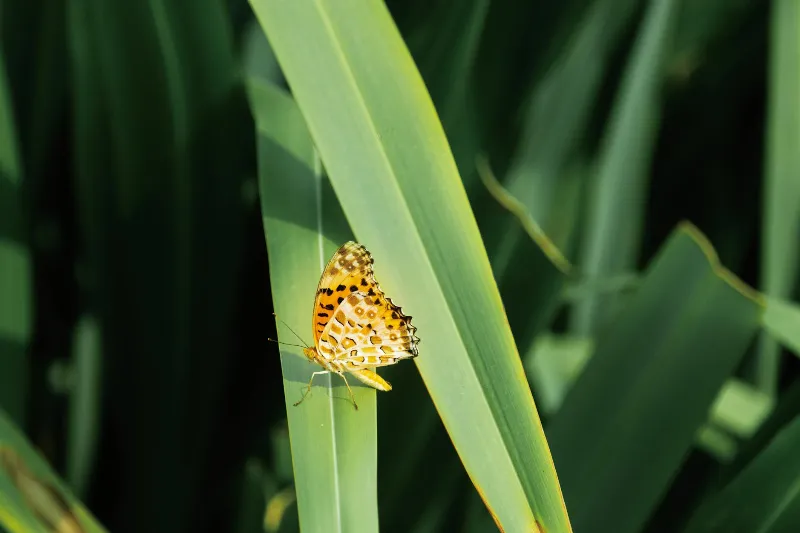
Beyond pigments, structural colors can produce the appearance of orange through microscopic structures that reflect light in unique ways. For example, some butterfly wings exhibit brilliant orange colors not due to pigments but rather the microscopic scales that manipulate light. Additionally, environmental factors like sunlight, the angle of view, and surrounding colors can influence how orange is perceived in nature, adding layers of complexity to its appearance.
The Evolutionary Significance of Orange
Orange coloration often plays a crucial role in survival. In many species, bright colors can signal toxicity to predators or assist in mating displays. This evolutionary strategy highlights how color can influence behaviors and interactions within ecosystems. The vibrant orange of a monarch butterfly, for instance, warns predators of its unpalatability, showcasing the intertwined relationship between color and survival.
Fascinating Facts About Orange
- Orange is one of the colors found in the rainbow, symbolizing energy and warmth.
- In certain cultures, orange represents enthusiasm and creativity.
- Some species, like the orange-bellied parrot, are critically endangered, making their vibrant colors even more significant in conservation efforts.
The exploration of the color orange in nature reveals a tapestry of biological processes and ecological interactions, reflecting the complexity and beauty of our world. It invites us to look closer at the colors around us and appreciate the stories they tell.
Hungry for more?
Explore thousands of insights across all categories.
