
Common misconceptions about the origins of yellow in nature

Color Perception in Nature
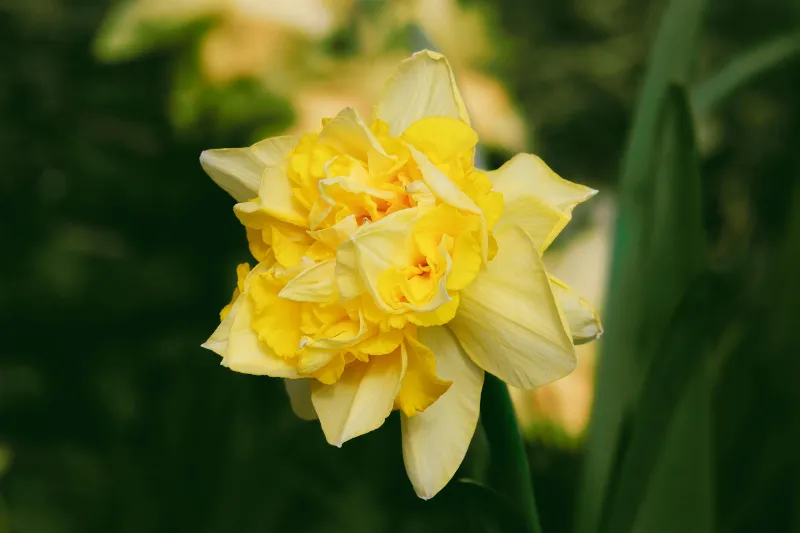
Yellow in nature isn't just a simple reflection of sunlight. Many assume that flowers and fruits display this color purely to attract pollinators or seed dispersers. In reality, yellow pigments, known as carotenoids, play a significant role in plant health.
The Role of Carotenoids
Carotenoids not only provide the vibrant yellow seen in many fruits and leaves but also protect plants from environmental stressors such as UV radiation. This dual purpose of attracting pollinators while serving as a protective agent highlights a complex interplay between aesthetics and survival.
Additionally, the perception of yellow can vary between species. For example, bees and butterflies see colors differently than humans, which means the yellow that looks appealing to us might serve different purposes in the animal kingdom.
Evolutionary Implications
Yellow's role in nature extends beyond mere attraction. In some cases, plants may evolve to display yellows that signal toxicity or unpalatability to herbivores, a survival tactic that ensures their propagation.
These evolutionary adaptations reveal much about how species interact with their environment. The color yellow thus becomes a fascinating example of how beauty and practicality can coexist in nature.
Conclusion
Yellow's origins in nature are woven into the very fabric of ecological interactions. It's not just about catching the eye but also about survival, signaling, and adaptation. As we continue to explore these complexities, we uncover the rich tapestry of life that colors our world.
Hungry for more?
Explore thousands of insights across all categories.
