
Common misconceptions about the origin of brown in nature

Brown's Nature: More Than Just a Mix
Brown often gets a bad rap as a bland, uninspiring color. Common belief suggests it arises merely from mixing other colors, especially red and green. However, this perception overlooks the unique ways brown manifests in nature. It’s not just a dull blend; brown has rich origins that tell the story of life and decay.
Natural Sources of Brown
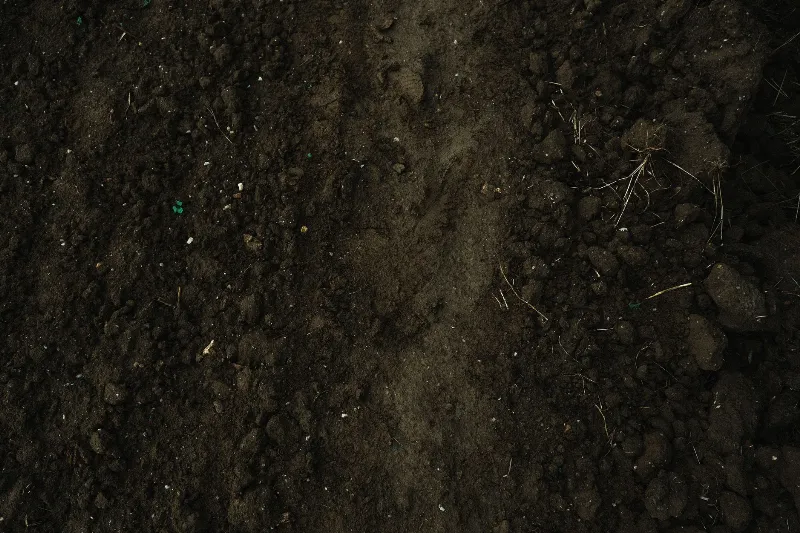
In the natural world, brown appears in various forms, often tied to organic processes. For instance, the color of soil comes from decomposed organic matter, minerals, and clay content. In autumn, as leaves decay, their vibrant greens fade away, revealing the underlying brown pigments. These pigments, called tannins, play crucial roles in plant health and environmental balance.
Interestingly, brown can also be produced by certain animals. The fur of many mammals, such as bears and deer, often displays shades of brown, allowing them to blend into their environments effectively. This natural camouflage serves as a survival mechanism, illustrating how brown functions in the ecological web.
The Role of Brown in Ecosystems
Beyond aesthetics, brown plays a significant role in ecosystems. It is a color of stability, often associated with earth and nourishment. Brown soils, rich in organic content, are essential for agriculture, supporting the growth of crops that feed populations worldwide. This connection between color and sustenance reveals the importance of brown in our lives.
Conclusion: A Color with Depth
While often underestimated, brown is much more than just a neutral backdrop. Its presence in nature is a testament to life's cycles, from growth to decay. Understanding the origins of brown enriches our appreciation for the natural world and its complex beauty.
Hungry for more?
Explore thousands of insights across all categories.
