
Color-Changing Animals Use Hue to Control Body Temperature
Adaptive Color Changes in Nature
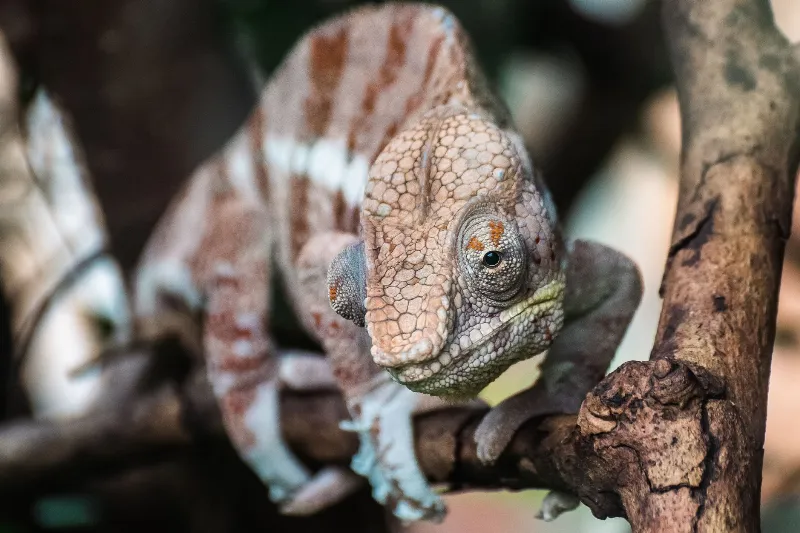
Color-changing animals, such as chameleons and octopuses, showcase a unique ability to regulate their body temperature by altering their skin color. By becoming darker or lighter, these creatures can absorb or reflect sunlight, thus helping them maintain an optimal body temperature. This fascinating adaptation illustrates the intricate relationship between an organism and its environment.
Mechanisms Behind Color Change
Various mechanisms drive the ability of these animals to change color. In chameleons, specialized cells called chromatophores contain pigments that expand or contract, allowing them to display a range of colors. On the other hand, octopuses use a combination of chromatophores and iridophores, which reflect light, enabling even more dynamic color shifts. These adaptations not only assist in thermoregulation but also play a role in communication and camouflage.
Impact on Survival
The ability to regulate body temperature through color change has significant implications for survival. In extreme temperatures, these adaptations can mean the difference between life and death. For instance, a darker color in cooler environments can absorb more heat, while a lighter color in hotter climates can help reflect sunlight, reducing the risk of overheating. This evolutionary trait highlights the importance of adaptability in the animal kingdom.
Broader Ecological Insights
Understanding how animals use color to manage their body temperature opens up broader discussions about climate change and habitat loss. As environments shift, these adaptations may be crucial for survival. Studying these remarkable creatures can provide insights into resilience strategies that could be vital for various species facing changing ecosystems.
Hungry for more?
Explore thousands of insights across all categories.