
Carthage's Downfall: Unraveling the Threads of Ancient Conflict
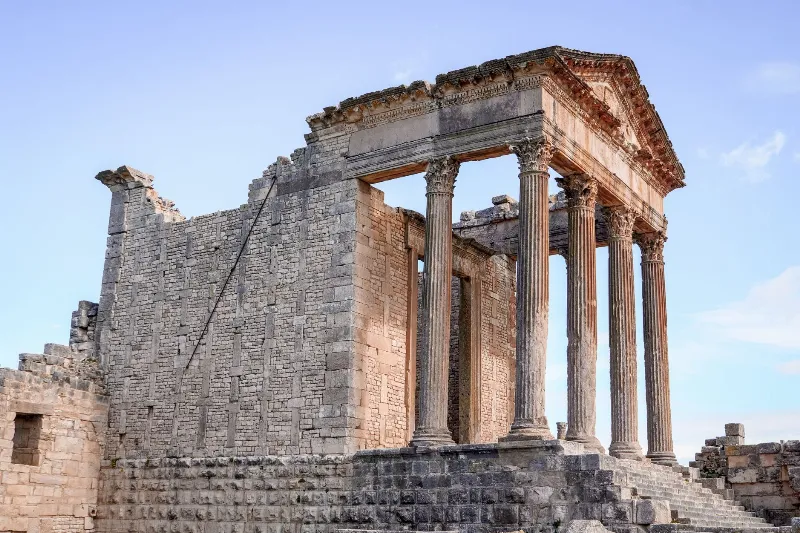

Amidst the bustling markets and towering structures of Carthage, leaders convened, their faces etched with worry. The air was thick with tension as reports of Roman advances flooded in. For years, Carthage, a thriving maritime power, had navigated the treacherous waters of Mediterranean politics. Yet, as the Second Punic War raged on, the question loomed: could they withstand the might of Rome?
Rising Tensions
The rivalry between Carthage and Rome, ignited by competition over trade routes and territory, reached a boiling point with the outbreak of the First Punic War in 264 BCE. Carthage's formidable navy clashed with Rome's burgeoning military power, marking the beginning of a conflict that would span over a century. Each victory and defeat on both sides further entrenched animosities, escalating tensions that would prove disastrous.
As Hannibal Barca emerged as a military leader during the Second Punic War, his audacious tactics captured the imagination of many. His crossing of the Alps with war elephants became legendary. However, as he inflicted significant losses on Roman forces, including the stunning victory at Cannae in 216 BCE, the initial optimism began to wane. Carthage struggled to capitalize on these victories due to a lack of political unity and insufficient reinforcements from home.
Internal Struggles and Strategic Errors
Back in Carthage, the Senate was fraught with division. Different factions vied for power, often prioritizing personal ambition over collective strategy. This discord weakened Carthage's response to the Roman threat. As the war dragged on, resources dwindled, and the city faced growing unrest among its citizens, who were weary of prolonged conflict.
In 149 BCE, with the memory of Hannibal's earlier successes fading, Rome launched the Third Punic War, determined to annihilate its rival once and for all. Carthage, now isolated and weakened, could not muster the same vigor it once had. The siege that followed was brutal, marked by desperation and fierce resistance, but ultimately the walls of Carthage fell in 146 BCE.
As Roman legions poured into the city, the vision of Carthage as a power in the ancient world shattered. The destruction of Carthage was not merely a military victory; it signified a decisive shift in power dynamics across the Mediterranean, marking the end of a civilization characterized by its commercial prowess and cultural richness.
In the aftermath, the remnants of Carthage lay in ruins, a haunting reminder of the complex interplay of ambition, rivalry, and the harsh realities of war. The lessons embedded in this narrative resonate through history, echoing the intricate factors that led to the fall of one of the ancient world’s great cities.
Hungry for more?
Explore thousands of insights across all categories.
