
Animals That See Polarized Light Reveal Hidden Worlds
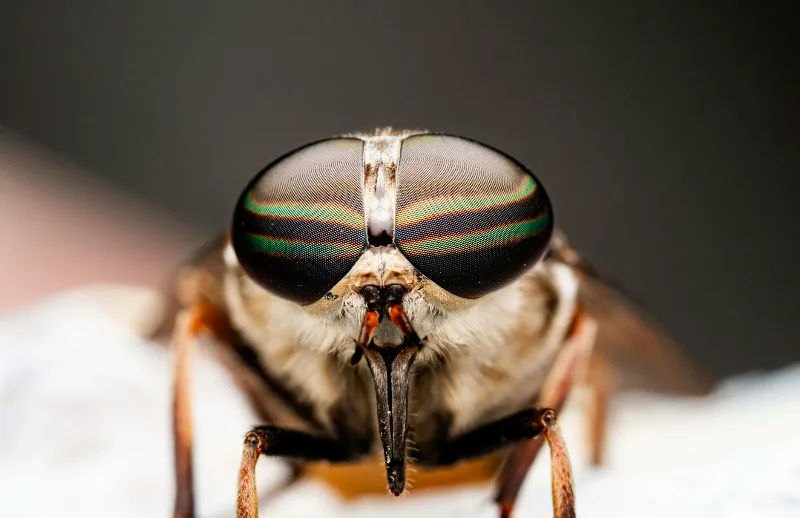

Polarized Light: A Hidden Dimension
Humans perceive light in a straightforward manner, but many animals experience a world rich with polarized light. Polarization occurs when light waves vibrate in a specific direction, offering a unique visual cue. This phenomenon is crucial for certain species, facilitating navigation and prey detection.
Animals Mastering Polarized Vision
Several creatures exhibit remarkable adaptations to utilize polarized light:
- Insects: Many insects, like bees, can see polarized light, aiding them in flight navigation and flower location.
- Cephalopods: Octopuses and squids can perceive polarized light, enhancing their hunting capabilities and communication through body patterns.
- Birds: Some bird species utilize polarized light to orient themselves during migration, even on overcast days.
The ability to detect polarized light gives these animals a significant advantage in their environments, influencing their survival strategies. From hunting to navigation, this unique vision system opens up a world that remains largely unseen to humans.
As research continues, understanding how these animals perceive their surroundings could offer insights into the evolution of vision across species. The fascinating interplay between light and life reveals the complexity of nature's design and the marvels of adaptation.
Hungry for more?
Explore thousands of insights across all categories.
