
What Is Deep Learning and How Can It Be Used Effectively

Understanding Deep Learning
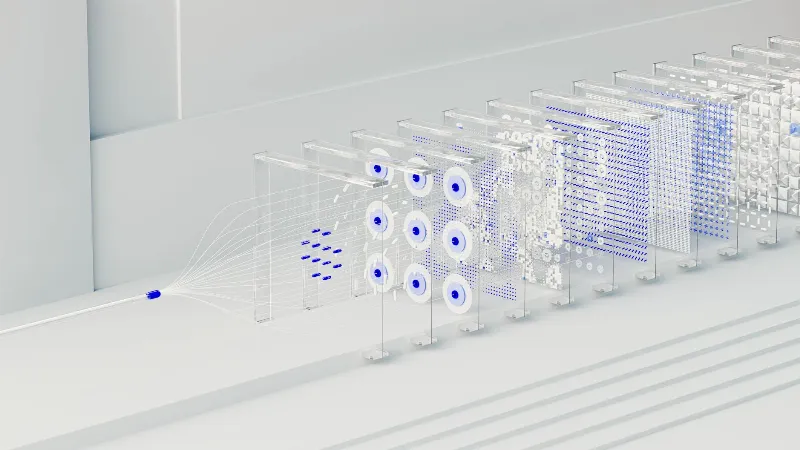
Deep learning operates on the principle of neural networks, inspired by the human brain. These networks consist of layers of interconnected nodes, or neurons, that process data. As the system ingests vast amounts of information, it learns to identify patterns and make decisions. Unlike traditional programming, which requires explicit instructions, deep learning algorithms improve automatically through experience.
Real-World Applications of Deep Learning
Deep learning is increasingly used across diverse sectors, demonstrating its capabilities:
- Healthcare: From diagnosing diseases to personalizing treatment plans, deep learning aids in analyzing medical imagery and genetic data.
- Finance: Fraud detection systems leverage deep learning to identify unusual patterns in transactions, enhancing security.
- Autonomous Driving: Self-driving cars utilize deep learning for real-time decision-making based on sensor data, improving navigation and safety.
As industries recognize the potential of deep learning, they continue to explore innovative ways to harness this technology for efficiency and better decision-making. The ethical implications of deep learning, including data privacy and bias, also warrant careful consideration as its influence grows.
Deep learning exemplifies the intersection of technology and human-like reasoning. Its applications are reshaping our world, highlighting the need for ongoing dialogue about its implications.
Hungry for more?
Explore thousands of insights across all categories.
