
How Do Neural Networks Mimic Human Learning

Understanding Neural Networks
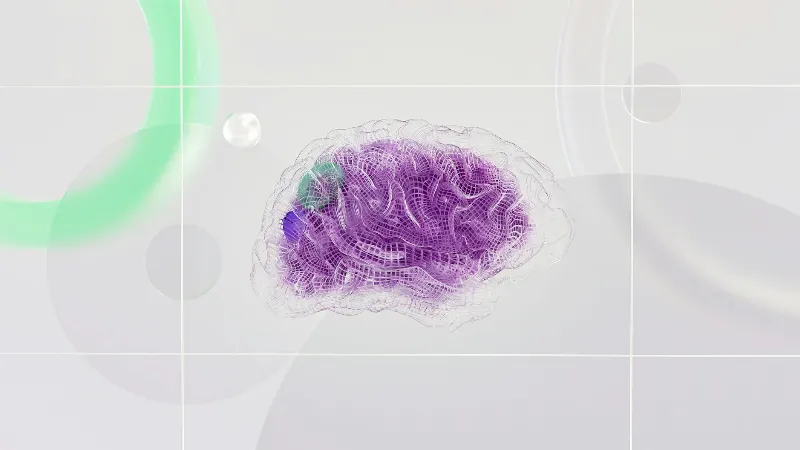
Neural networks are computational models inspired by the human brain's structure and function. They consist of layers of interconnected nodes, or 'neurons', that work together to process information. This mimics how humans learn from experience by recognizing patterns and making associations. The significance of this technology lies in its ability to learn from data, leading to advancements in various fields.
Applications in Real Life
Neural networks have numerous applications across different sectors, including:
- Image Recognition: Used in facial recognition systems and medical imaging.
- Natural Language Processing: Powers virtual assistants and translation services.
- Autonomous Vehicles: Helps in object detection and decision-making processes.
- Finance: Assists in fraud detection and algorithmic trading.
These applications demonstrate the versatility of neural networks in solving complex problems.
How They Learn
The learning process in neural networks is similar to human learning, involving a training phase where the model is exposed to large datasets. During this phase, the network adjusts its internal parameters through a process called 'backpropagation'. This method minimizes errors in predictions by updating the weights of connections based on the difference between predicted and actual outcomes.
Impact on Technology
The ability of neural networks to learn and adapt has revolutionized technology, leading to smarter applications and systems. As they continue to evolve, their capabilities will significantly affect industries, enhancing efficiency and decision-making.
Future Considerations
Looking ahead, the growth of neural networks raises important questions about ethics and accountability in AI. As these models become more integrated into our lives, understanding their limitations and implications will be crucial for responsible development.
Hungry for more?
Explore thousands of insights across all categories.
