
What Is AI-Driven Robotics and How Can It Be Used in Manufacturing

Understanding AI-Driven Robotics
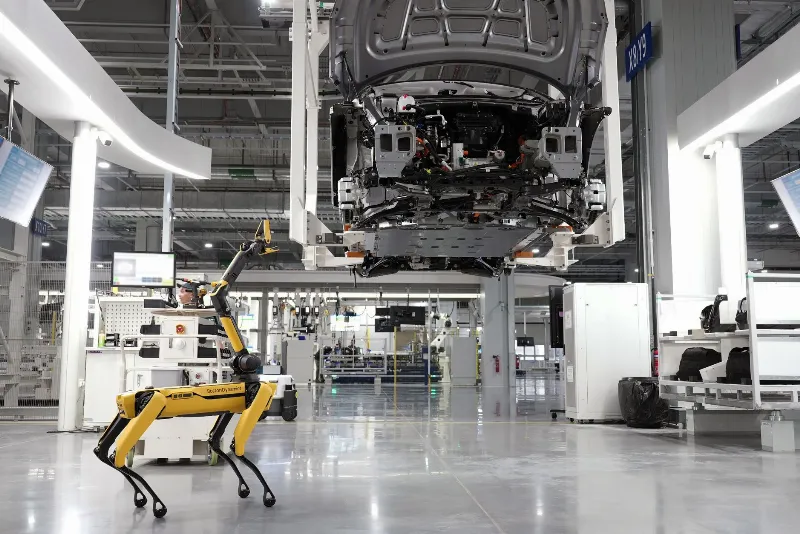
AI-driven robotics represent a significant advancement in manufacturing technology, blending artificial intelligence with robotic systems. This integration allows machines to not only perform repetitive tasks but also learn and adapt to new environments. An example of this technology in action is smart assembly lines that can optimize their operations based on real-time data. Rather than following a strict set of commands, these robots can make decisions, enhancing flexibility and responsiveness.
Applications in Manufacturing
The applications of AI-driven robotics in manufacturing are diverse and impactful. Here are a few key areas where they excel:
- Precision Assembly: Robots equipped with AI can handle intricate assembly tasks, ensuring high levels of accuracy in product manufacturing.
- Quality Control: AI systems can analyze products in real-time, identifying defects that human inspectors might miss.
- Predictive Maintenance: By monitoring equipment health, AI-driven robotics can predict failures before they occur, minimizing downtime.
As industries increasingly adopt these technologies, the potential for increased efficiency is remarkable. AI-driven robotics not only streamline processes but also reduce waste and enhance the overall quality of products.
Implications for the Workforce
While the benefits of AI-driven robotics are clear, their rise also prompts discussions about the future of work in manufacturing. As machines take on more tasks, the need for skilled workers who can manage and maintain these systems grows. This shift necessitates training programs focusing on advanced technical skills and problem-solving capabilities.
In a rapidly changing landscape, companies that invest in AI-driven robotics are often better positioned to compete. However, it’s essential to balance technological advancements with workforce development to ensure that workers can thrive in this new environment.
Hungry for more?
Explore thousands of insights across all categories.
