
Understanding Automation: Applications for Future Work Environments

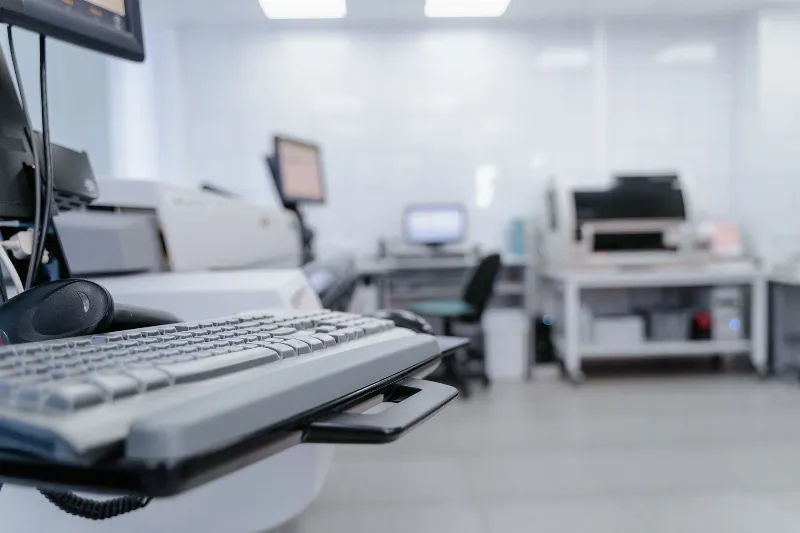

Shaping Workplaces with Automation
Automation is increasingly becoming a cornerstone of modern workplaces, reshaping how tasks are executed across various industries. From manufacturing to service sectors, automation technologies help streamline operations, reduce errors, and increase efficiency. With advancements in artificial intelligence and machine learning, these systems can perform repetitive tasks, allowing human workers to focus on more complex, creative endeavors.
Applications of Automation in Various Industries
Different sectors are leveraging automation to enhance productivity:
- Manufacturing: Robots are used for assembly lines, handling tasks like welding, painting, and packaging, which improves speed and accuracy.
- Healthcare: Automated systems for patient scheduling and data management reduce administrative burdens on healthcare professionals.
- Retail: Self-checkout systems and inventory management software automate customer service and inventory processes, improving the shopping experience.
As automation technologies evolve, they not only improve operational efficiency but also reshape the workforce. The integration of these systems requires workers to develop new skills, emphasizing the need for ongoing education and training.
In summary, automation is not just a trend; it’s an essential component of future work environments. Its ability to enhance efficiency and allow human workers to engage in more meaningful tasks signifies a shift in how we perceive work.
Hungry for more?
Explore thousands of insights across all categories.
