
What Happens When a Supernova Occurs
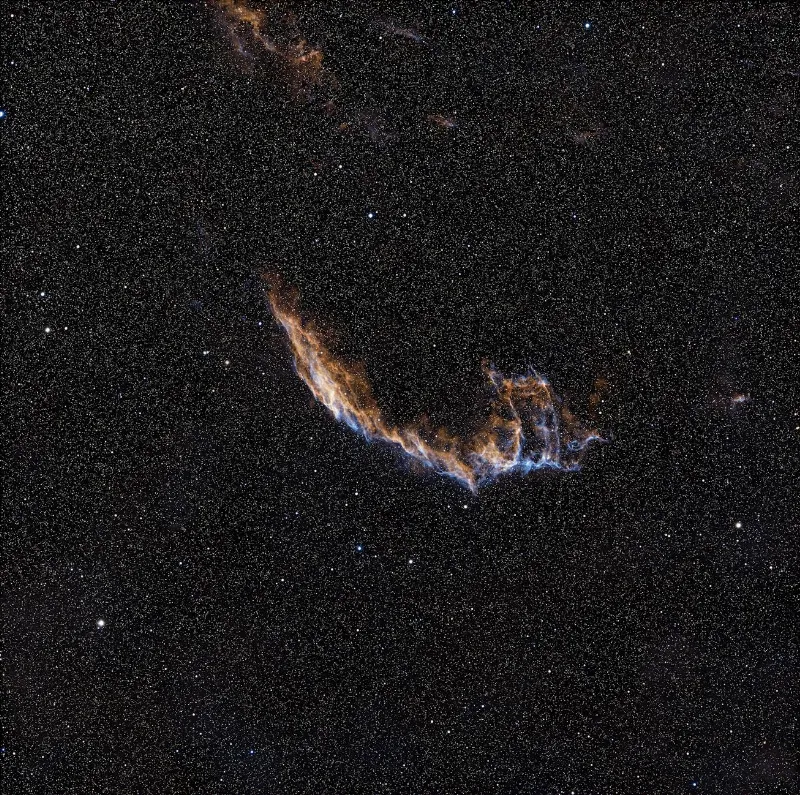

A supernova is one of the most dramatic events in the universe. When a massive star exhausts its nuclear fuel, it can no longer support itself against gravitational collapse, leading to a catastrophic explosion. This moment is a fascinating intersection of stellar life and violent death, marking the end of a star's lifecycle with a flash that can outshine entire galaxies.
The Explosion and Its Significance
During a supernova explosion, the outer layers of the star are expelled at incredible speeds, sending shock waves through space. This explosion is significant for several reasons:
- It enriches the interstellar medium with heavy elements, which are created during the star's life and released in the explosion.
- The energy from the explosion can trigger the formation of new stars in nearby gas clouds.
- Supernovae can be used as standard candles in astronomy to measure cosmic distances, helping us understand the expansion of the universe.
Types of Supernovae
There are two main types of supernovae, classified based on their mechanism:
- Type I Supernovae: Occurs in binary systems, where a white dwarf star accumulates matter from its companion until it reaches a critical mass, leading to a thermonuclear explosion.
- Type II Supernovae: Arises from the rapid collapse of a massive star that has exhausted its nuclear fuel, resulting in a core collapse.
The remnants of a supernova can take various forms, including neutron stars or black holes, depending on the mass of the original star. The spectacular nebula that often follows a supernova explosion is a testament to the star's explosive end, spreading out in colorful patterns across the cosmos.
As light from a supernova travels through space, it can take thousands of years to reach us. When it does, the sight can be breathtaking. Observing such events allows astronomers to study the life cycles of stars and the fundamental processes that shape our universe.
Exploring the aftermath of a supernova leads us to reflect on the interconnectedness of cosmic events. Each explosion not only marks the end of a star's life but also paves the way for new beginnings in the universe.
Hungry for more?
Explore thousands of insights across all categories.
