
What Common Misconception Misguides Our Understanding of Body Temperature Regulation
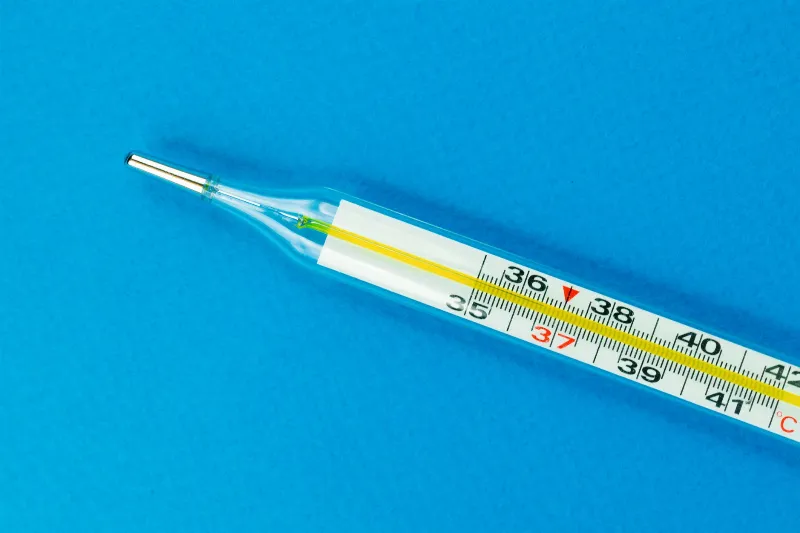

Body Temperature Regulation Is Not Just About Heat
Many people think the body simply sweats to cool down or shivers to warm up, but temperature regulation involves a complex interplay of systems. The hypothalamus, located in the brain, acts like a thermostat, constantly receiving signals from the body and the environment. When temperatures fluctuate, it initiates various responses that go beyond just sweating and shivering.
Internal and External Factors at Play
Interestingly, factors such as hydration levels, metabolic rate, and even the time of day can influence how our body maintains temperature. For example, dehydration can hinder the body’s ability to cool off efficiently, while metabolism can create additional heat during digestion. These factors contribute to a dynamic temperature regulation system that adapts continually.
Moreover, the body also utilizes behavioral adaptations. When it's cold, we might instinctively put on layers of clothing or seek warmth, which can significantly affect our thermal comfort. This behavioral aspect is often overlooked in discussions about temperature regulation.
Implications of Misunderstanding
Understanding the intricacies of temperature regulation is crucial, especially in extreme conditions. For instance, athletes or individuals working in high-temperature environments must be aware that relying solely on sweating may not suffice. Recognizing the body's signals and understanding hydration and nutrition can be vital for maintaining performance and health.
This complexity reflects a broader truth about human biology: our bodies are not static systems but dynamic organisms that continuously adapt to survive. This ability to regulate temperature effectively is just one example of the sophisticated mechanisms at work within us.
Hungry for more?
Explore thousands of insights across all categories.
