
Common Misconceptions About Human Body Temperature Regulation
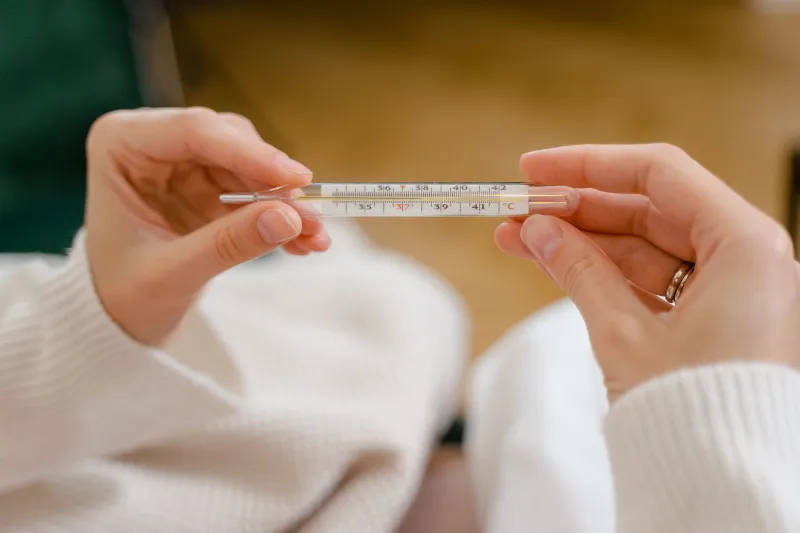

Temperature regulation isn't just about sweating
Most people think of sweating as the primary means by which the body cools itself down. However, the human body employs a variety of mechanisms to maintain its temperature. When it's too hot, blood vessels near the skin surface dilate, allowing more blood to flow, which helps dissipate heat. This process is known as vasodilation. Conversely, when the temperature drops, blood vessels constrict to retain heat, a process called vasoconstriction.
Metabolism plays a key role
Another fascinating aspect of temperature regulation is metabolism. The body generates heat through metabolic processes, which can significantly impact how we feel temperature. For example, during intense physical activity, muscle activity produces heat, raising body temperature. This is why athletes often feel warmer even in cooler environments.
Behavioral adaptations matter
Behavior also influences how we regulate our temperature. Humans instinctively seek shade when it’s hot or bundle up in layers when it's cold. Such actions reflect our adaptability, but they are often overlooked in discussions about thermoregulation. These behavioral changes can dramatically affect how our body copes with temperature extremes.
Temperature sensation varies among individuals
Interestingly, individual differences in body composition and health can lead to variations in how people perceive temperature. Factors like body fat percentage and muscle mass can influence thermal insulation and heat production. This explains why some people feel cold in conditions that others find comfortable.
Understanding these complexities not only sheds light on human physiology but also emphasizes the adaptability of our bodies in varied environments. The next time you feel too hot or too cold, remember that your body is employing a sophisticated array of strategies to find balance.
Hungry for more?
Explore thousands of insights across all categories.
