
What Common Misconception Exists About Bees' Role in Pollination
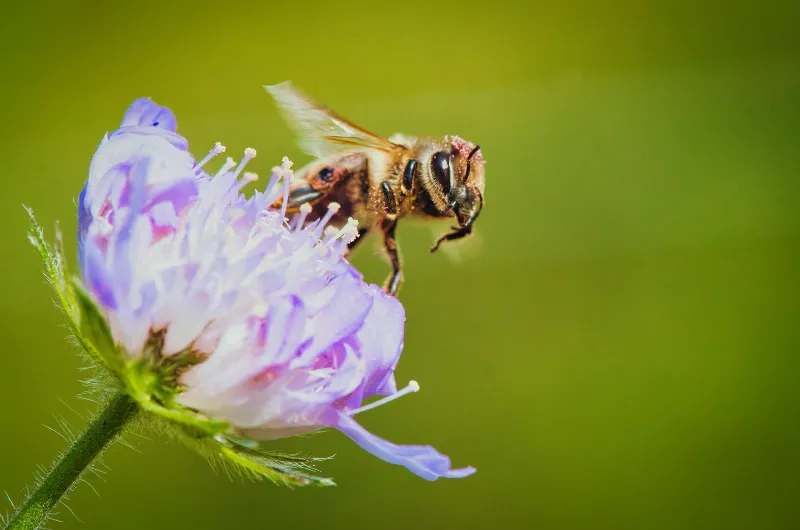

Pollination Beyond Bees
While bees are often celebrated as nature's top pollinators, this perception overlooks a rich tapestry of contributors to the pollination process. Research indicates that approximately 75% of flowering plants require animal pollination, and bees are just one part of this intricate system.
The Unsung Heroes of Pollination
Birds, bats, butterflies, and even small mammals play significant roles in transferring pollen from one flower to another. For instance, hummingbirds are particularly adept at pollinating tubular flowers due to their specialized feeding habits. Similarly, bats contribute to the pollination of night-blooming plants, demonstrating a fascinating example of adaptation in the animal kingdom.
Interestingly, some plants have evolved to attract specific pollinators. For example, certain orchids produce scents that mimic female insects, luring male insects to aid in pollination. This diversity highlights how ecosystems rely on a network of species, each fulfilling a unique role in maintaining floral reproduction.
Understanding this complex relationship reveals the delicate balance within ecosystems. It emphasizes the importance of conserving a variety of species to ensure the health of our environment and the food systems they support. The misconception that bees are the sole pollinators can lead to a narrow focus on their conservation, potentially neglecting other vital species.
In an era where biodiversity is threatened, recognizing the multifaceted world of pollination is crucial. By appreciating the contributions of all pollinators, we can advocate for broader conservation efforts that protect entire ecosystems rather than focusing solely on one species.
Hungry for more?
Explore thousands of insights across all categories.
