
Unveiling the Lost City of Ur: Secrets Behind Its Rediscovery

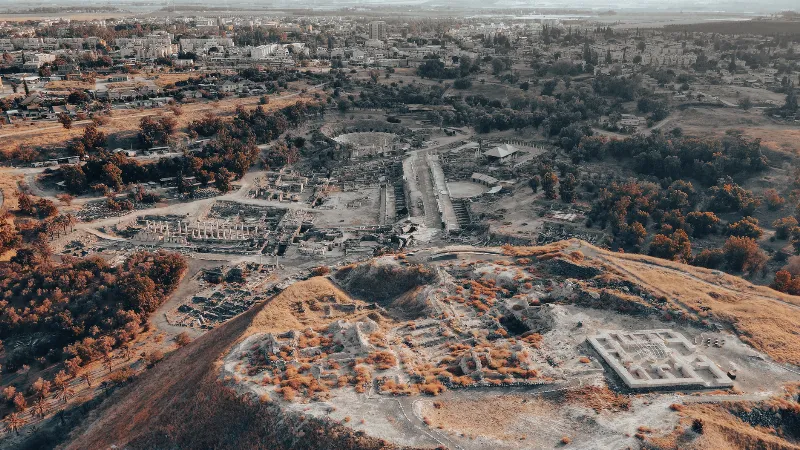

In the heart of Mesopotamia, archaeologists stood amidst the remnants of what once was a grand city, now buried under centuries of earth. The air was thick with anticipation as they uncovered artifacts that had lain undisturbed for millennia. This was Ur, a city that flourished during the height of the Sumerian civilization, and its rediscovery in the 1920s would challenge perceptions of ancient history.
Context of Discovery
By the early 20th century, interest in ancient civilizations was burgeoning. Scholars and adventurers alike sought to retrace the steps of the great empires of antiquity. In 1922, British archaeologist Leonard Woolley embarked on an excavation in southern Iraq, driven by reports of ancient sites that hinted at extraordinary finds. Little did he know that his work would yield one of the most significant archaeological discoveries of the era.
As Woolley's team dug deeper, they uncovered a wealth of artifacts, including intricate jewelry, pottery, and even the remnants of a ziggurat, a step pyramid that served as a temple. This was not just a city; it was a center of culture, commerce, and governance in its time. The discoveries revealed a civilization with advanced knowledge in writing, architecture, and trade.
Significance of Ur
The implications of the finds at Ur were profound. For centuries, the Sumerians were often overshadowed by their more famous successors, such as the Babylonians. The artifacts unearthed by Woolley not only highlighted the sophistication of Sumerian society but also underscored the urgency of preserving ancient history.
Among the most notable discoveries was the Royal Cemetery of Ur, where lavish burial goods indicated the city's wealth and the importance of its leaders. The treasures found in these tombs, including gold jewelry and ceremonial objects, suggested that Ur was a hub of activity and influence, shaping the region's cultural landscape.
Moreover, the vast number of cuneiform tablets found at the site offered insight into the Sumerian way of life, governance, and religion. This newfound knowledge sparked a reevaluation of early human civilization, highlighting the complexities of life in ancient times.
As a result of these discoveries, Ur became a focal point for scholars, leading to increased interest and funding for archaeology in the region. It also ignited a broader understanding of the interconnectedness of ancient cultures, illustrating how the Sumerians laid foundational aspects of urban civilization that resonate to this day.
Aftermath of the Discovery
Woolley's excavation at Ur not only brought to light the magnificence of an ancient city but also set a precedent in archaeological methods and ethics. The careful documentation and preservation of artifacts established standards for future excavations. Yet, it also raised questions about the ownership of cultural heritage and the responsibilities of archaeologists to the communities whose history they explore.
As researchers continue to study Ur and its artifacts, the site remains a testament to the ingenuity of early civilizations. The legacy of the Sumerians, once thought to be lost to time, is now celebrated, reminding us of the importance of our shared human history.
Hungry for more?
Explore thousands of insights across all categories.
