
Unique ecosystems in extreme environments: How do halophilic microorganisms thrive in highly saline lakes
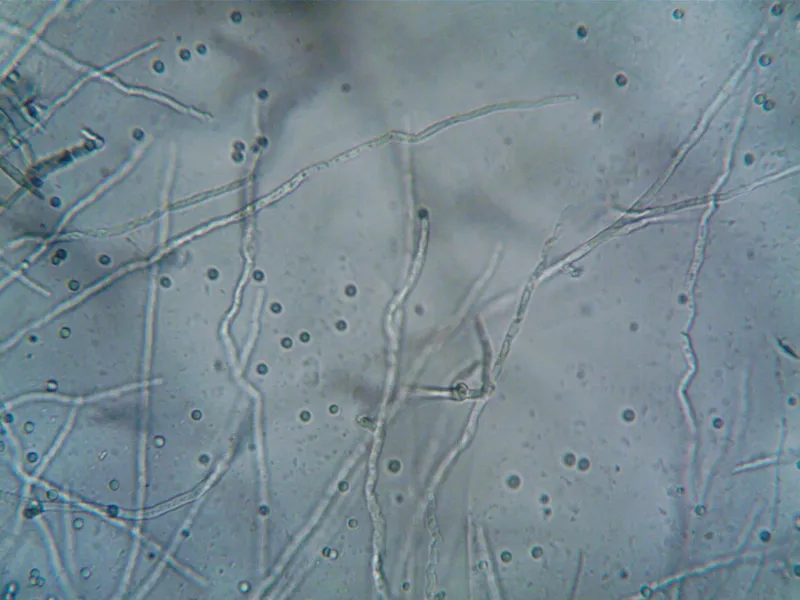

Introduction to Halophilic Microorganisms
Imagine a world where life flourishes in the most inhospitable conditions. Halophilic microorganisms, often referred to simply as halophiles, thrive in environments with high salinity, such as salt flats and hypersaline lakes. These tiny organisms defy expectations, exhibiting unique adaptations that allow them to not only survive but also thrive in conditions that would be lethal to most forms of life.
What Are Halophiles?
- Halophiles are organisms that require high concentrations of salt for growth.
- They are primarily found in environments like salt lakes, salt mines, and evaporated sea beds.
- These microorganisms can be classified into three categories based on their salt tolerance: obligate, facultative, and moderate halophiles.
Extreme Environments: Hypersaline Lakes
Hypersaline lakes, such as the Great Salt Lake in Utah and Lake Urmia in Iran, are among the most extreme environments on Earth. The salinity levels in these lakes can exceed that of seawater by several times. Here’s how halophiles adapt:
“In hypersaline conditions, halophiles employ strategies such as synthesizing compatible solutes to maintain cellular integrity.”Adaptations of Halophilic Microorganisms
Halophiles have evolved fascinating adaptations that allow them to thrive in extreme salinity:
- Osmoregulation: Halophiles maintain osmotic balance by accumulating compatible solutes like potassium ions.
- Unique Enzymes: Enzymes produced by halophiles often exhibit higher stability and activity in saline conditions, making them valuable for industrial applications.
- Cell Membrane Adaptations: Their cell membranes contain unique lipids that prevent damage from high salt concentrations.
The Role of Halophiles in Ecosystems
Halophilic microorganisms play a critical role in their ecosystems:
- They participate in nutrient cycling, contributing to the overall health of hypersaline environments.
- Some species can produce pigments that not only protect them from UV radiation but also provide a colorful hue to saline lakes.
- Halophiles are integral to food webs, serving as primary producers or decomposers within these unique ecosystems.
Applications of Halophilic Microorganisms
Beyond their ecological importance, halophiles have practical applications:
- Biotechnology: Enzymes from halophiles are increasingly being used in biotechnology, especially in processes requiring high salt concentrations.
- Bioremediation: Their ability to thrive in saline environments makes them candidates for bioremediation in salt-affected soils.
- Food Industry: Halophilic bacteria are used in the production of fermented foods, enhancing flavor and preservation.
Conclusion
As we explore the remarkable adaptations of halophilic microorganisms, we uncover the incredible resilience of life. These tiny organisms not only survive but thrive in extreme conditions, offering insights into the limits of life on Earth and potential applications across various fields.
Hungry for more?
Explore thousands of insights across all categories.
