
Understanding Neural Networks: Applications in Image Recognition
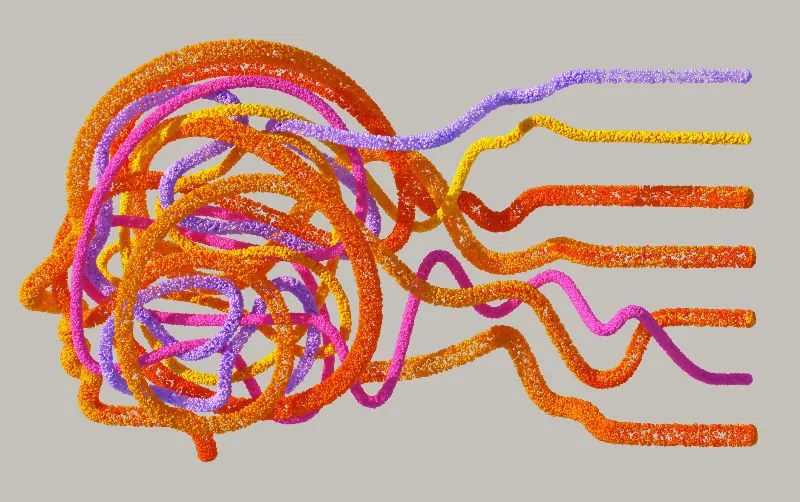

Neural Networks Unpacked
Imagine teaching a child to recognize objects through countless examples. This process mirrors how neural networks operate, utilizing layers of interconnected nodes to process data. Each node, akin to a neuron, takes input, applies a mathematical operation, and passes the output to the next layer. This layered approach allows networks to learn complex patterns, making them exceptionally good at tasks like image recognition.
Real-World Applications
Neural networks are now integral in several fields, showcasing their versatility. For instance, in healthcare, they assist in diagnosing diseases from medical imaging, enhancing accuracy and speed. In the automotive industry, they enable self-driving cars to make sense of their surroundings, identifying pedestrians and traffic signals. Other applications include facial recognition in security systems and enhancing photo editing software, allowing for smart adjustments based on content analysis.
As these systems evolve, their ability to analyze and interpret images continues to improve, pushing the boundaries of what technology can achieve. The implications are profound, as they not only enhance efficiency but also open new avenues for innovation across various industries.
Despite their capabilities, neural networks have limitations. They require substantial amounts of data to train effectively and can struggle with tasks outside their training scope. Understanding these boundaries is crucial for setting realistic expectations about what neural networks can accomplish.
Hungry for more?
Explore thousands of insights across all categories.
