
Deep Learning's Role in Advancing Autonomous Vehicles

Understanding Deep Learning
Deep learning is a subset of artificial intelligence (AI) that mimics how humans learn. It utilizes neural networks, which are algorithms inspired by the structure of the human brain, to process and analyze vast amounts of data. This technology excels in pattern recognition, enabling machines to learn from experience and improve their performance over time.
Applications in Autonomous Vehicles
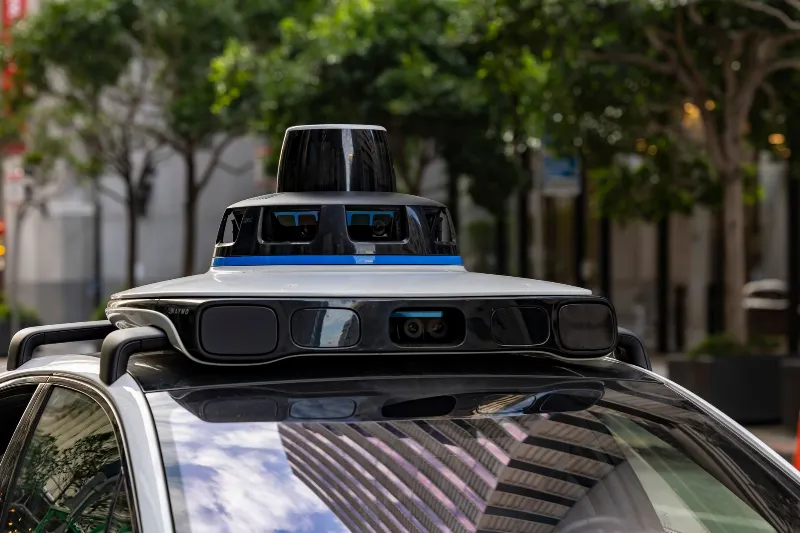
In the realm of autonomous vehicles, deep learning plays a critical role. These systems analyze data from various sensors, such as cameras and LIDAR, to understand their surroundings. For example, deep learning algorithms can identify pedestrians, traffic lights, and other vehicles, allowing the car to make informed decisions about navigation and safety.
Key applications include:
- Real-time object detection: Deep learning enables vehicles to detect and classify objects in real-time, crucial for safe navigation.
- Predictive behavior analysis: These systems can predict the actions of other road users, improving response strategies and reducing accidents.
- Continuous learning: As vehicles gather more data from their journeys, deep learning models can adapt and enhance their performance over time.
Implications for the Future
The integration of deep learning in autonomous vehicles raises important considerations. While these technologies promise enhanced safety and efficiency, they also pose challenges regarding data privacy and ethical decision-making. Ensuring that these systems operate transparently and responsibly will be essential as they become more prevalent on our roads.
Deep learning is not just a technological advancement; it's a shift in how we think about transportation. As autonomous vehicles continue to evolve, their reliance on sophisticated AI systems like deep learning will redefine our travel experiences, making them safer and smarter.
Hungry for more?
Explore thousands of insights across all categories.
