
Uncommon microbes found in Antarctic ice: What secrets do they hold
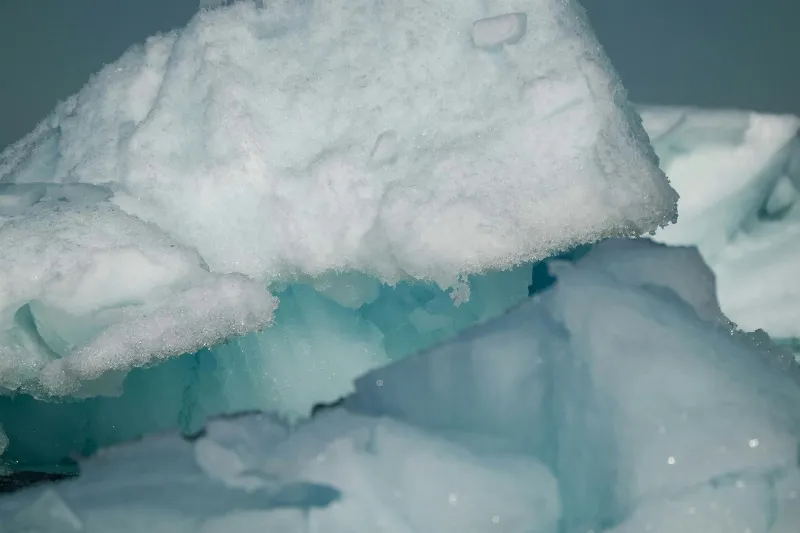

Unveiling the Hidden World of Antarctic Microbes
Deep beneath the surface of Antarctic ice lies a thriving community of microbes that defy conventional understanding of life. These microorganisms, some never before seen, are not just surviving but thriving in one of the harshest environments on Earth.
Microbial Diversity in Extreme Conditions
Research conducted by a team of microbiologists from the University of Alberta has unveiled a staggering diversity of microbial life in Antarctic ice cores. Here are key findings:
- Identified over 100 distinct microbial species
- Some species exhibit unique adaptations to extreme cold and high salinity
- Presence of ancient DNA suggests long-term survival strategies
These microbes are not just isolated samples; they represent a complex ecosystem that has adapted to intense cold, limited nutrients, and extreme UV radiation. Imagine the potential insights these organisms hold for astrobiology and the search for life beyond Earth.
“These microbes demonstrate resilience that challenges our understanding of life's limits.” - Dr. Emily Tran, lead researcher.Survival Mechanisms of Antarctic Microbes
How do these microorganisms withstand such extreme conditions? Several mechanisms have been identified:
- Antifreeze proteins: Prevent ice crystal formation within cells, allowing metabolic processes to continue.
- High osmotic pressure tolerance: Enable survival in saline environments.
- DNA repair systems: Enhance resilience to UV radiation damage.
Understanding these adaptations not only sheds light on microbial resilience but also opens doors to biotechnological applications. Could these proteins be harnessed for food preservation or cryopreservation techniques?
Implications for Astrobiology
These findings extend beyond Earth. The survival strategies of Antarctic microbes provide critical insights into how life could exist on icy moons like Europa or Enceladus. They serve as a model for extremophiles, organisms that thrive in conditions previously thought to be uninhabitable.
You might wonder what this means for the search for extraterrestrial life. If life can persist in such extreme conditions on Earth, what other forms might exist elsewhere in the universe?
Future Research Directions
As researchers continue to study these unique Antarctic microbes, several questions remain:
- What role do these microbes play in their ecosystem?
- How do they interact with other microbial species?
- Can we replicate their survival strategies in other fields of science?
With ongoing research, the potential applications of these discoveries could change everything we know about life in extreme environments.
Hungry for more?
Explore thousands of insights across all categories.
