
Sulfur compounds in volcanic gases: How they reshape our understanding of Earth's geology
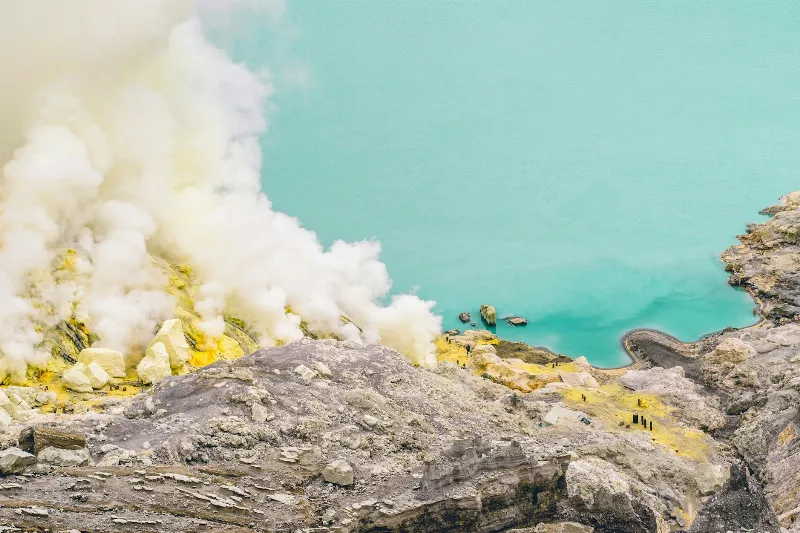

Volcanic Gases: A Window into Earth's Interior
Volcanic gases are not just a byproduct of eruptions; they are key indicators of the processes happening deep within the Earth. Among these gases, sulfur compounds play a pivotal role in understanding geological activity.
Types of Sulfur Compounds
- Sulfur Dioxide (SO2): This colorless gas is a major component of volcanic emissions and has significant effects on climate.
- Hydrogen Sulfide (H2S): Known for its distinct odor of rotten eggs, H2S can indicate the presence of magma beneath the surface.
- Sulfuric Acid (H2SO4): Formed when sulfur dioxide reacts with water vapor, contributing to acid rain.
Insights from Sulfur Emissions
Recent studies have shown that the concentration and types of sulfur compounds emitted can tell geologists about the magma's composition and the dynamics of volcanic systems. For example, a spike in sulfur dioxide can indicate an imminent eruption.
"Understanding sulfur emissions provides a clearer picture of volcanic behavior and the underlying geological framework of our planet." - Dr. Emily Thompson, geochemist.
Geochemical Implications
Geochemists have found that sulfur isotopes can reveal the source of volcanic gases, differentiating between mantle-derived and crustal sulfur. This distinction is crucial for understanding the processes that shape the Earth's crust and mantle.
Future Directions in Research
As technology advances, scientists are employing more sophisticated methods to analyze volcanic gases. For instance, satellite monitoring of sulfur dioxide levels has become a game changer in predicting volcanic eruptions.
The Role of Sulfur in Climate Change
Sulfur compounds released during volcanic eruptions have also been linked to climate change. The aerosols formed can reflect sunlight, temporarily cooling the Earth's surface.
Case Study: Mount Pinatubo
The 1991 eruption of Mount Pinatubo released vast amounts of sulfur dioxide into the stratosphere, leading to global temperature drops. Understanding such events is essential for grasping how volcanic activity influences climate systems.
Conclusion of Volcanic Insights
Volcanic gases, particularly sulfur compounds, are reshaping our understanding of Earth's geology. They offer insights into the dynamics of Earth's interior, the evolution of volcanic systems, and their potential impact on climate.
Hungry for more?
Explore thousands of insights across all categories.
