
Sulfide signals: How volcanic activity is redefining climate predictions
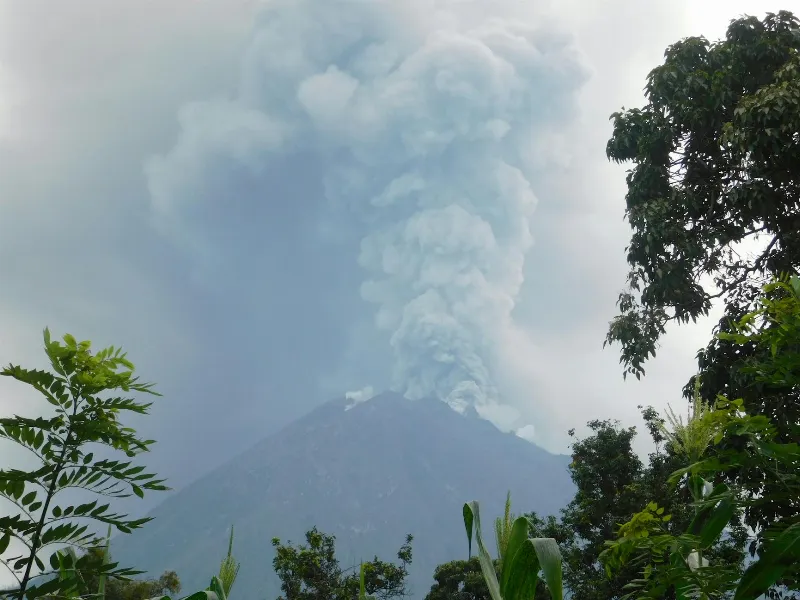

Understanding Sulfide Signals
Sulfide signals, produced during volcanic eruptions, are emerging as critical indicators of climate trends. These signals, primarily composed of sulfur dioxide (SO2), can have profound effects on atmospheric chemistry and, consequently, climate patterns.
Volcanic Activity and Climate Interaction
Imagine a world where volcanic eruptions not only shape landscapes but also influence weather systems. Each eruption releases massive amounts of gases, including sulfides, which interact with the atmosphere.
- Atmospheric Cooling: Sulfides can lead to the formation of sulfate aerosols, reflecting sunlight and causing temporary cooling.
- Acid Rain: When combined with moisture, these gases can produce acid rain, impacting ecosystems.
- Long-term Climate Implications: Understanding these processes can help in predicting future climate scenarios.
Historical Insights into Climate Changes
Research indicates that historical volcanic eruptions have played a significant role in climate shifts. For instance, the 1991 eruption of Mount Pinatubo released approximately 20 million tons of SO2, leading to a global temperature drop of around 0.5 degrees Celsius.
"Volcanoes serve as nature's climate engineers, with their eruptions providing critical data for understanding climatic changes over centuries."
Modern Research on Sulfide Emissions
Scientists are now utilizing advanced technologies to monitor sulfide emissions from volcanoes. These efforts include:
- Satellite Observations: Satellites equipped with spectrometers can detect SO2 concentrations from space, offering real-time data.
- Ground-Based Monitoring: Stations near active volcanoes measure gas emissions and their impact on local weather.
- Climate Models: Researchers are integrating sulfide data into climate models to improve predictive accuracy.
Future Implications for Climate Predictions
As we delve deeper into understanding sulfide signals, we can better anticipate climate changes. This knowledge is crucial for developing strategies to mitigate the effects of global warming. You might wonder how these findings will influence policy and environmental initiatives. Enhanced predictive models can guide governments in making informed decisions regarding climate action.
Conclusion: Bridging Volcanology and Climate Science
Incorporating sulfide signals into climate research not only enriches our understanding of atmospheric processes but also underscores the interconnectedness of Earth's systems. As we face increasing climate challenges, recognizing the role of volcanic activity will be vital.
Hungry for more?
Explore thousands of insights across all categories.
