
Trees Can Live For Thousands Of Years Through Unique Resilience

Longevity and Adaptation
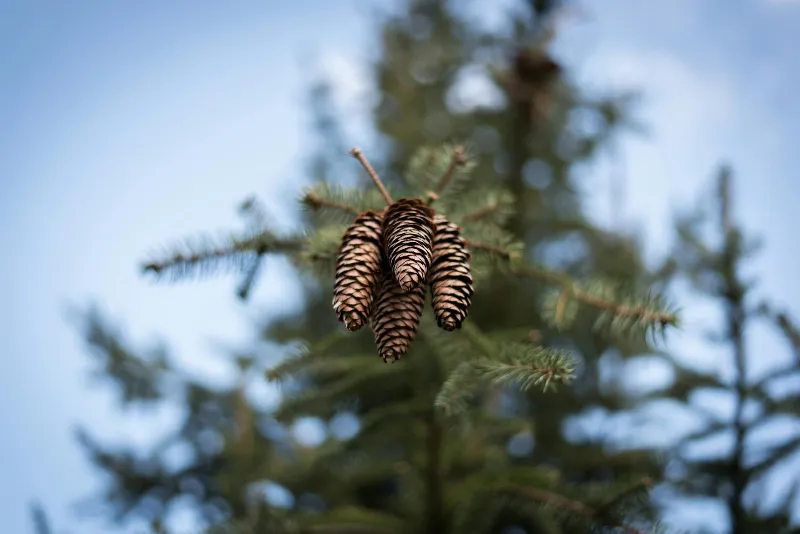
Some tree species have lifespans that stretch into thousands of years, a feat made possible by their unique adaptations. For instance, the bristlecone pine, found in the White Mountains of California, can live for over 5,000 years. This resilience is attributed to their ability to withstand harsh climates, poor soil conditions, and even pest infestations that would typically threaten younger trees.
Unique Survival Mechanisms
Ancient trees employ various survival strategies to combat environmental challenges. One key adaptation is their slow growth rate, which helps them conserve energy and resources. Additionally, many of these trees have thick bark that protects them from fire and insect damage. Their root systems also tend to be extensive, allowing them to access water and nutrients from deeper soil layers, enhancing their survival chances in arid conditions.
Ecological Importance
The longevity of these trees contributes significantly to their ecosystems. As keystone species, they provide habitat and food for a variety of wildlife, from birds to insects. Their presence helps stabilize the soil, prevent erosion, and maintain biodiversity. The ancient wisdom embedded in their growth rings can also provide valuable data for climate research, indicating historical climate patterns and environmental changes.
Understanding how these trees thrive offers a glimpse into the resilience of nature. Their survival is a testament to the intricate balance of ecosystems and the importance of preserving such ancient life forms for future generations.
Hungry for more?
Explore thousands of insights across all categories.
