
Trees Absorb CO2 Differently Based on Leaf Design
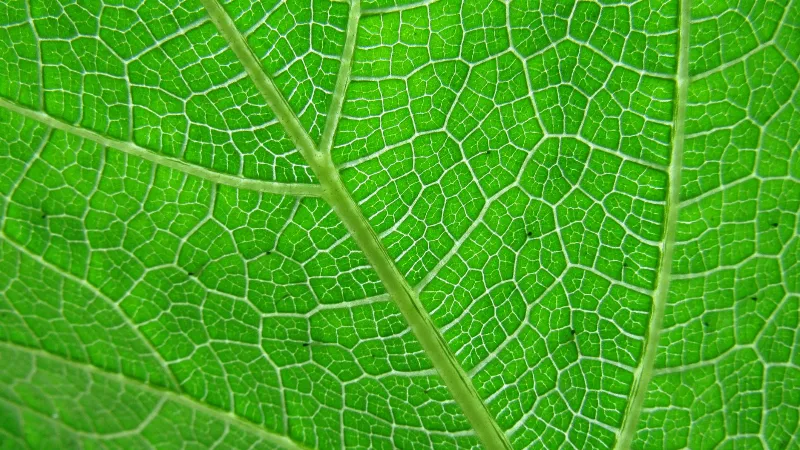

Leaf Structure and CO2 Absorption
Not all trees are created equal when it comes to absorbing carbon dioxide (CO2). The design of their leaves can significantly affect their efficiency in this vital process. For instance, trees with larger leaves can capture more sunlight, thus increasing their photosynthetic capacity. This leads to a greater uptake of CO2 from the atmosphere, contributing more effectively to carbon sequestration.
Role of Leaf Thickness
Interestingly, the thickness of a tree's leaves also plays a crucial role. Thicker leaves tend to have more mesophyll cells, which are responsible for photosynthesis. This structural advantage allows them to absorb CO2 at higher rates compared to thinner-leaved trees. Such variations indicate that tree selection in reforestation efforts could be crucial for maximizing CO2 absorption.
Furthermore, some studies suggest that specific leaf shapes can enhance airflow around the leaves, improving gaseous exchange and subsequently increasing CO2 uptake. This insight could redefine how we approach tree planting and forest management in the face of climate change.
As we consider the future of our forests and their role in combating global warming, understanding these nuances could lead to more effective strategies. Each tree, with its unique adaptations, holds potential secrets for enhancing our planet’s resilience against climate change.
Hungry for more?
Explore thousands of insights across all categories.
