
Titan's methane lakes harbor organic chemistry mysteries
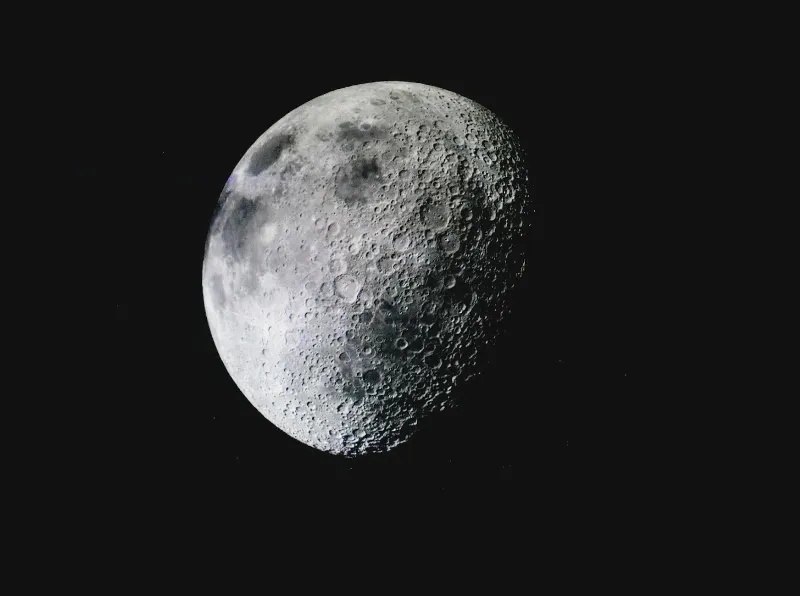

The Enigmatic Landscape of Titan
Titan, Saturn's largest moon, is a world unlike any other in our solar system. With its thick atmosphere and surface lakes composed of methane and ethane, it presents a unique laboratory for studying organic chemistry. These lakes, some larger than the Great Lakes on Earth, challenge our perceptions of where life could potentially thrive.
Methane Lakes: A Liquid Puzzle
The methane lakes of Titan are not only stunning but also serve as a focal point for scientists examining prebiotic chemistry. Their liquid state at extremely low temperatures (around -180°C) raises the question: what kind of chemistry can occur in such frigid conditions? Studies suggest that the chemistry of Titan's lakes may mirror early Earth, providing insights into the origins of life.
Astrobiological Implications
Could life exist in Titan’s methane lakes? While Earth-based life relies on water, researchers are investigating the possibility of methane-based life forms. The lakes may harbor complex organic compounds that could serve as precursors to biological activity. If life can emerge in such alien environments, it expands our understanding of life’s adaptability.
Data from Space Missions
NASA's Cassini spacecraft and the Huygens probe have provided invaluable data about Titan’s atmosphere and surface. Observations reveal the presence of organic molecules like tholins, which might play a critical role in forming the building blocks of life. This suggests that Titan could be a hotbed for astrobiological research and exploration.
The Role of Hydrocarbons
Hydrocarbons in Titan's lakes present a complex chemical interplay that scientists are eager to unravel. These compounds can undergo reactions akin to those seen in Earth’s biology, potentially leading to the formation of amino acids or other vital organic molecules. Understanding these processes could illuminate the pathways through which life might arise on other celestial bodies.
Future Exploration and Research
The upcoming Dragonfly mission, scheduled to launch in the coming years, aims to explore Titan’s surface in greater detail. This rotorcraft will investigate the chemistry of the lakes and the potential for life, paving the way for a new era of astrobiological discovery. The findings could reshape our understanding of habitability in the universe.
Conclusion: A Call for Curiosity
As we gaze at Titan's shimmering methane lakes, we are reminded of the vast possibilities that lie beyond our own planet. The organic chemistry mysteries concealed within these alien waters beckon us to explore further, challenging us to rethink the boundaries of life in the cosmos. Titan is not just a moon; it is a promise of discovery waiting to unfold.
Hungry for more?
Explore thousands of insights across all categories.
