
The Largest Living Organism Is A Fungus, Not A Giant Sequoia
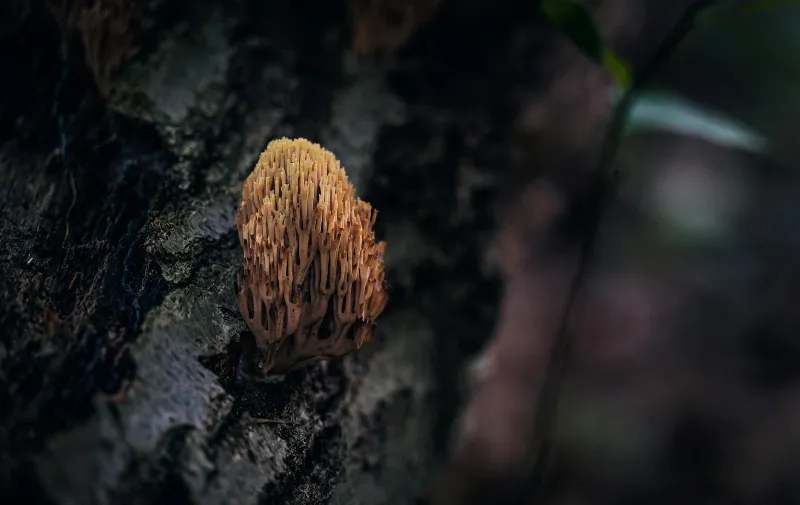

When considering the largest living organism on Earth, many might envision towering trees or enormous creatures like blue whales. However, the reality is surprisingly different. Deep underground in the Malheur National Forest of Oregon lies a vast network of mycelium from the fungus Armillaria ostoyae, which covers an astonishing 2,385 acres. This single organism is not just large in size but also ancient, with an estimated age of around 2,500 years.
The Hidden World of Mycelium
Mycelium is the vegetative part of fungi, consisting of a mass of branching, thread-like structures called hyphae. It plays a crucial role in ecosystems by decomposing organic material and facilitating nutrient cycling. The mycelial network of Armillaria ostoyae can spread for miles, often without being noticed as it lives largely underground, making it a fascinating yet elusive organism.
Impact on Forest Ecosystems
Armillaria ostoyae is known for its role in the health of forest ecosystems, but it also has a darker side. While it aids in breaking down dead trees and returning nutrients to the soil, it can also attack living trees, leading to root rot and forest decline. This dual role highlights the complexity of ecological interactions and the balance required for healthy forest environments.
As we uncover more about the hidden lives of fungi, it becomes clear that nature often defies our expectations. The largest living organism is not a majestic tree reaching for the sky but an intricate web of life beneath our feet, reminding us of the wonders that lie unseen in the natural world.
Hungry for more?
Explore thousands of insights across all categories.
