
The 1619 Project - Nikole Hannah-Jones
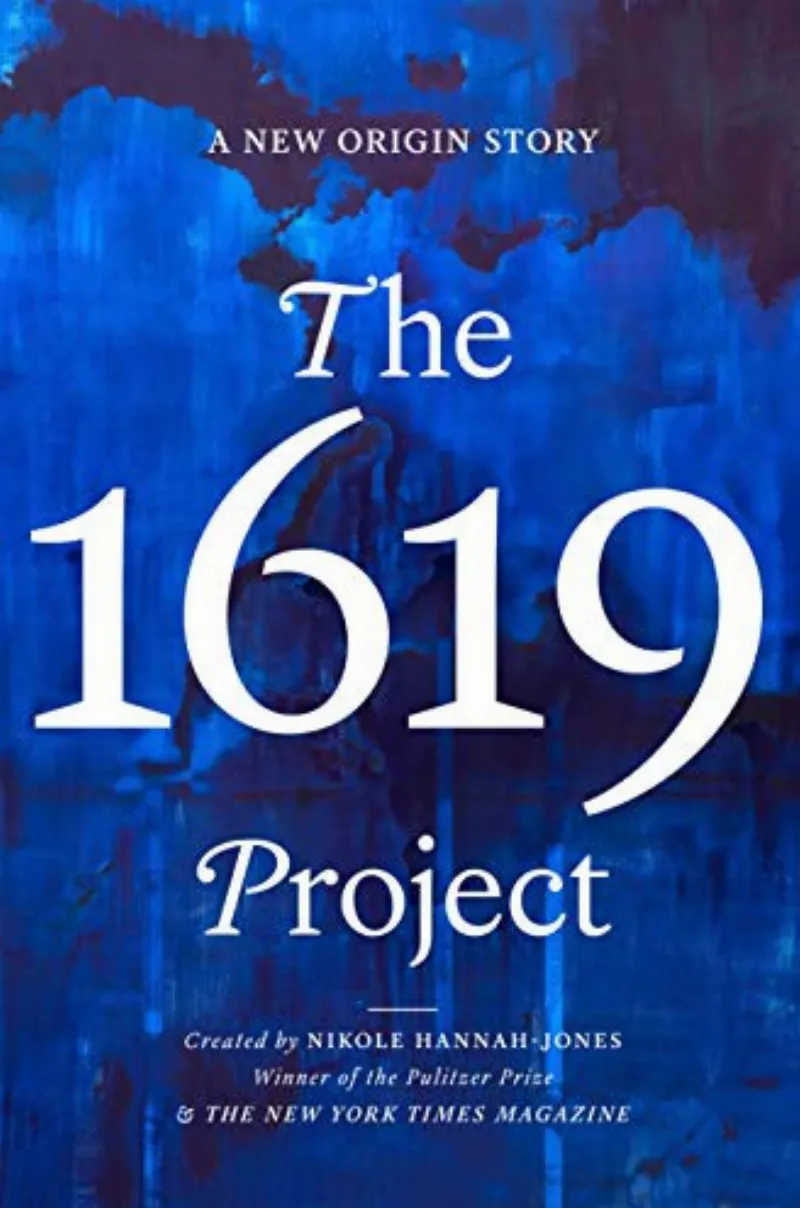

Imagine a world where the roots of modern America are intertwined with the echoes of slavery. In 'The 1619 Project', Nikole Hannah-Jones invites readers into a narrative that begins in 1619, the year the first enslaved Africans arrived on American soil. This project is not just a recounting of facts; it is an emotional journey that challenges the glorified stories of American history.
As the narrative unfolds, it reveals how deeply embedded the institution of slavery is within the fabric of the nation. Each chapter unpacks various aspects of life, politics, culture, and social constructs, showing how these elements were shaped by the legacy of oppression and resistance. The voices of those who were enslaved resonate powerfully, highlighting their struggles and resilience, as well as the profound injustices that continue to echo through generations.
Hannah-Jones masterfully intertwines personal stories with historical analysis, creating a rich tapestry that urges readers to reconsider their understanding of freedom and democracy. This project is a call to acknowledge uncomfortable truths, fostering dialogue about race, identity, and the ongoing impact of systemic racism.
In one poignant moment, the narrative illustrates the desire for dignity and belonging, showcasing how the legacy of slavery has influenced contemporary issues. The personal accounts serve as reminders that the past is not a distant memory but a living influence on the current societal landscape.
Confronting the pervasive myths of American exceptionalism, 'The 1619 Project' demands a reckoning with history. It challenges the sanitized versions of the narrative that many have accepted, pushing for a more inclusive understanding of what it means to be American.
By the end of this journey, readers are left to grapple with the weight of history and its implications for the future. The emotional resonance of the stories shared compels an introspective look at one’s own beliefs and the collective responsibility to acknowledge and address historical injustices.
As the pages turn, the urgency of Hannah-Jones' message becomes clear: understanding the past is crucial to shaping a more equitable future. This project serves as a powerful reminder that history is alive, and by engaging with it honestly, we can begin to forge a path toward true reconciliation and understanding.
Hungry for more?
Explore thousands of insights across all categories.
