
Sapiens: A Brief History of Humankind - Yuval Noah Harari
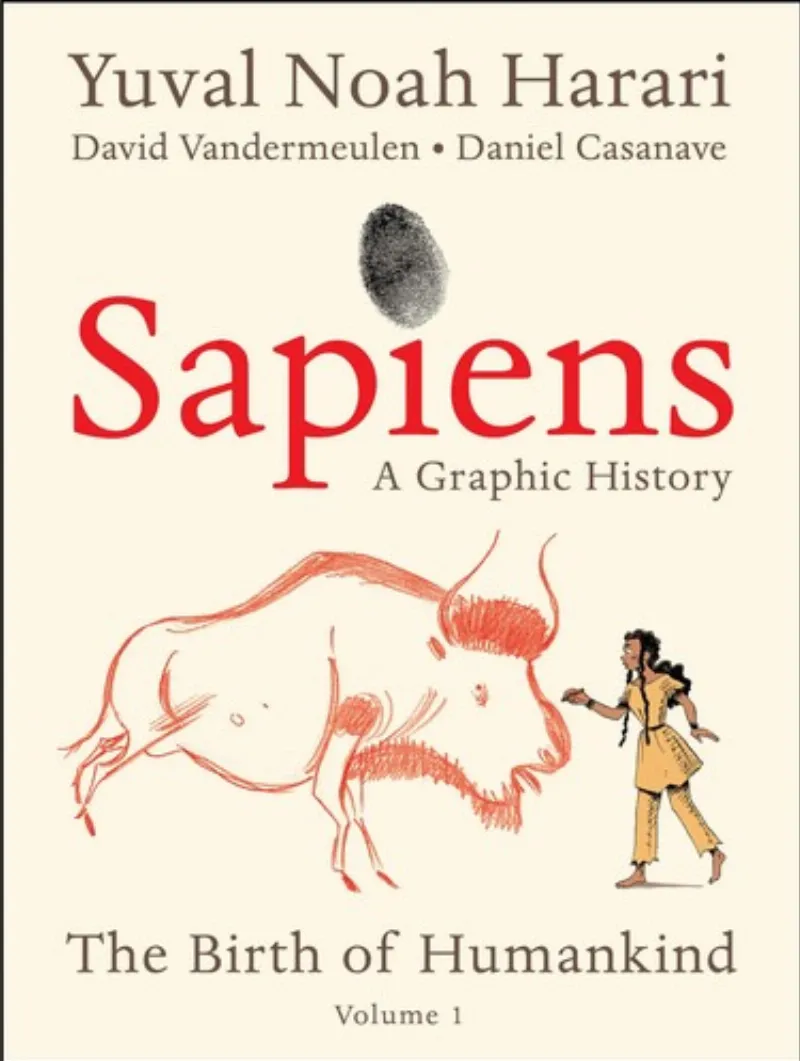

Humanity's Journey
In 'Sapiens: A Brief History of Humankind', Yuval Noah Harari takes readers on a captivating journey through the history of our species. He begins with the cognitive revolution, approximately 70,000 years ago, when Homo sapiens developed unique abilities in language and thought. This shift allowed them to form complex social structures and share ideas, setting the stage for future advancements.
Key Revolutions
As the narrative unfolds, Harari introduces three pivotal revolutions that have defined human history:
- Cognitive Revolution: This event allowed for the emergence of myths and collective beliefs, enabling large groups to cooperate.
- Agricultural Revolution: Transitioning from foragers to farmers transformed societies, leading to the establishment of settlements and social hierarchies.
- Scientific Revolution: Beginning in the 16th century, this period sparked advancements in technology and knowledge, profoundly altering human existence.
Throughout the book, Harari emphasizes how these revolutions not only changed human lifestyles but also had lasting impacts on the planet and other species. He explores the motivations behind human actions, arguing that our capacity for imagination and belief has driven much of our progress.
Modern Implications
As the narrative progresses to contemporary issues, Harari raises thought-provoking questions about capitalism, imperialism, and technological advancements. He invites readers to consider how these developments shape our identity and future. The book concludes with reflections on the challenges humanity faces today, suggesting that understanding our past is crucial for navigating the future.
A Thought-Provoking Conclusion
'Sapiens' ultimately serves as a reminder of the complexity of human history. While it does not provide clear answers, it encourages readers to contemplate the implications of being human in an ever-evolving world.
Hungry for more?
Explore thousands of insights across all categories.
