
Teotihuacan's Enigma: What Led to Its Mysterious Decline
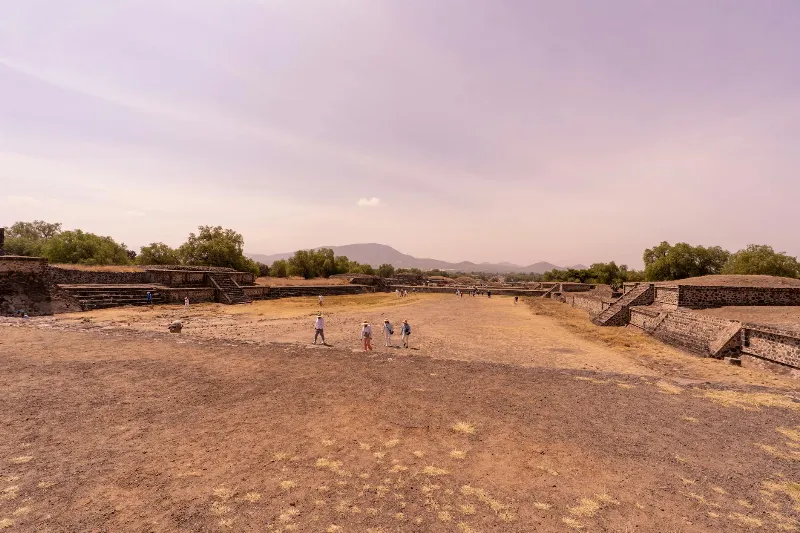

Entering Teotihuacan
Amid the towering pyramids and bustling streets of Teotihuacan, life thrived. Merchants traded goods, artisans crafted intricate works, and the sounds of daily life echoed off the stone walls. This was a city of innovation and culture, with its population peaking around 600 CE. But beneath this vibrancy lay tensions that would eventually contribute to its downfall.
The Strains of Prosperity
As Teotihuacan grew, so did its demands on resources. Agriculture, the backbone of its economy, suffered from overexploitation. The once-fertile lands surrounding the city became less productive, unable to sustain the increasing population. Food shortages began to loom, leading to discontent among the citizens.
Simultaneously, social hierarchies began to shift. Power struggles emerged among the elite, fracturing the unity that had previously characterized the city. This internal discord weakened the societal fabric, making it vulnerable to external pressures.
Environmental Changes and the Aftermath
Compounding these issues, climate change played a crucial role. Evidence suggests that prolonged droughts struck the region, exacerbating agricultural challenges and leading to famine. As resources dwindled, the population began to decline as people migrated in search of better conditions.
Ultimately, Teotihuacan's decline was not marked by a single catastrophic event but rather a series of intertwined crises. The city, once a beacon of civilization, fell into obscurity, leaving behind a legacy steeped in mystery.
Hungry for more?
Explore thousands of insights across all categories.
