
Social Animals Use Memory Skills for Survival Strategies

Intriguing Memory Mechanisms in Social Animals
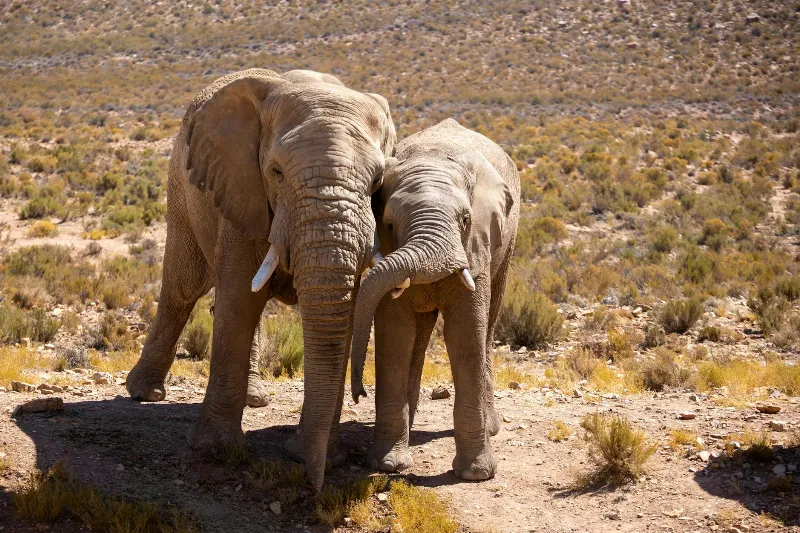
Social animals exhibit remarkable memory capabilities that are not just fascinating but essential for their survival. For example, elephants have been shown to remember watering holes over vast distances and years, allowing them to navigate their environment effectively. Similarly, dolphins utilize their memory to recognize complex social structures within their pods, facilitating cooperation and communication.
Adaptive Strategies for Group Survival
The memory skills of social animals significantly contribute to their survival strategies. These adaptations can be categorized into three main areas:
- Navigation: Many social species rely on memory to locate resources like food and water. This ability to recall locations aids in survival during droughts or food shortages.
- Social Bonds: Memory is crucial for maintaining relationships within groups. For instance, chimpanzees remember past interactions with fellow group members, which helps forge alliances and reduce conflicts.
- Learning from Experience: Social animals learn from their past experiences, enhancing their ability to respond to threats. This learning can be passed down through generations, creating a collective memory within the group.
These memory skills demonstrate the intricate connections between social behavior and survival, showcasing how these animals adapt to their environments.
Hungry for more?
Explore thousands of insights across all categories.
