
Elephants' Remarkable Memory Guides Their Ecosystem Navigation

Memory as a Survival Tool
Elephants possess one of the most impressive memories in the animal kingdom, allowing them to recall vast amounts of information over long periods. This extraordinary memory is crucial for locating resources such as water and food, especially in times of drought. Elephants can remember specific locations and the routes to reach them, which is essential for their survival in fluctuating environments.
Social Learning and Ecosystem Impact
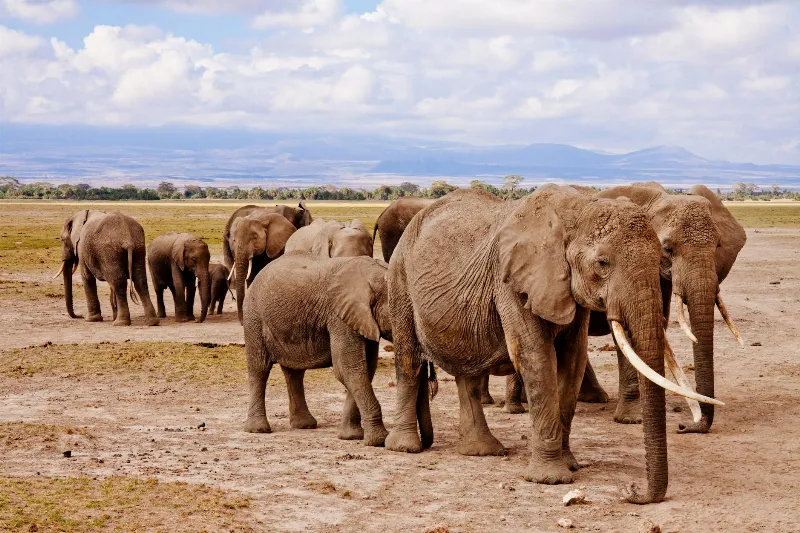
Beyond individual survival, elephants’ memory contributes significantly to their social structures. They learn from one another and pass down knowledge of migration routes and resource locations. Older matriarchs, who often lead herds, utilize their rich memories to guide younger elephants, ensuring that vital survival information is shared within the group. This collective memory not only supports their social bonds but also plays a role in maintaining the health of their ecosystems.
Environmental Memory and Migration
Elephants often migrate over long distances to adapt to seasonal changes in their environment. Their ability to remember past migration routes is crucial for finding safe passages and avoiding areas that may pose risks, such as human settlements or natural barriers. This spatial awareness enables elephants to thrive in diverse landscapes, reinforcing their role as key players in their ecosystems.
In summary, elephants exemplify how memory can be a powerful tool for navigating complex ecosystems. Their remarkable ability to recall essential information not only aids their survival but also enriches the environments they inhabit.
Hungry for more?
Explore thousands of insights across all categories.
