
Social Animals' Memory Skills Boost Group Survival Effectively

Memory as a Survival Tool
Social animals have evolved sophisticated memory capabilities that play a crucial role in their survival. Whether it's a pod of dolphins or a pack of wolves, these species rely on their ability to remember individuals, locations, and past experiences to navigate their environments effectively. This memory not only aids in finding food but also in recognizing threats, allowing them to respond swiftly to danger.
Complex Social Structures
In many social species, memory is vital for maintaining intricate social bonds. Animals such as elephants and primates use their cognitive skills to remember relationships within their groups. These memories help them establish hierarchies, resolve conflicts, and form alliances, which are essential for cooperative behaviors like hunting or protecting young. The ability to recall past interactions enhances social cohesion and stability, promoting a sense of community that is vital for survival.
Examples from the Animal Kingdom
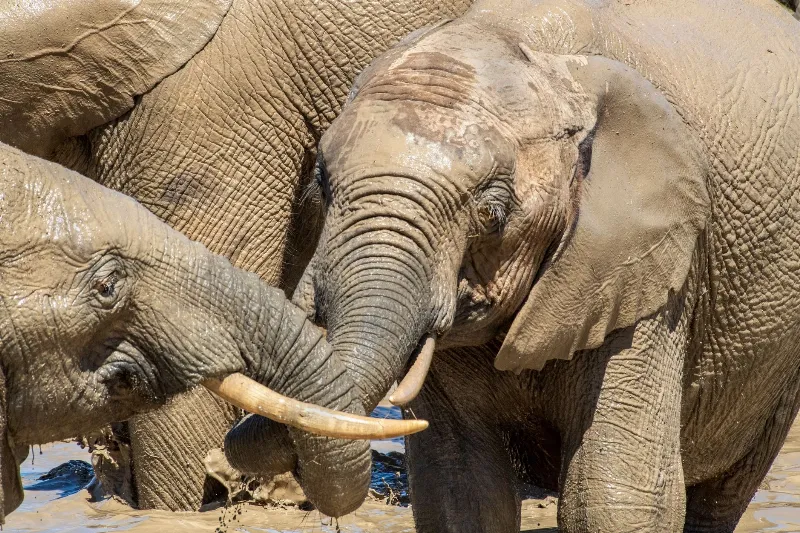
- Elephants: Known for their impressive long-term memory, elephants can recall water sources and migratory routes even years later, which is crucial during droughts.
- Apes: Studies show that chimpanzees remember the identities and social histories of dozens of individuals, influencing their social interactions and alliances.
- Dolphins: Bottlenose dolphins can recognize their companions' whistles after years of separation, which helps maintain social bonds across large distances.
These examples illustrate that advanced memory skills are not just mechanisms for survival but also enhance the social dynamics of animal groups. As researchers continue to uncover the depths of animal intelligence, it becomes increasingly clear that memory plays a foundational role in the evolution of social behaviors.
Hungry for more?
Explore thousands of insights across all categories.
