
Scientists Were Surprised When They Discovered How Parrots Learn Language

Language Learning: More than Just Mimicry
When you think of language learning, parrots might not be the first creatures that come to mind. But recent discoveries have revealed astonishing insights into how these vibrant birds acquire language skills. Researchers were taken aback when they unveiled the complexity behind parrot communication.
It’s easy to see a parrot mimicking words and phrases, but the reality is much deeper. These birds do not simply parrot back what they hear. They demonstrate a remarkable ability to understand context, social cues, and even emotional undertones in speech.
The Surprising Findings
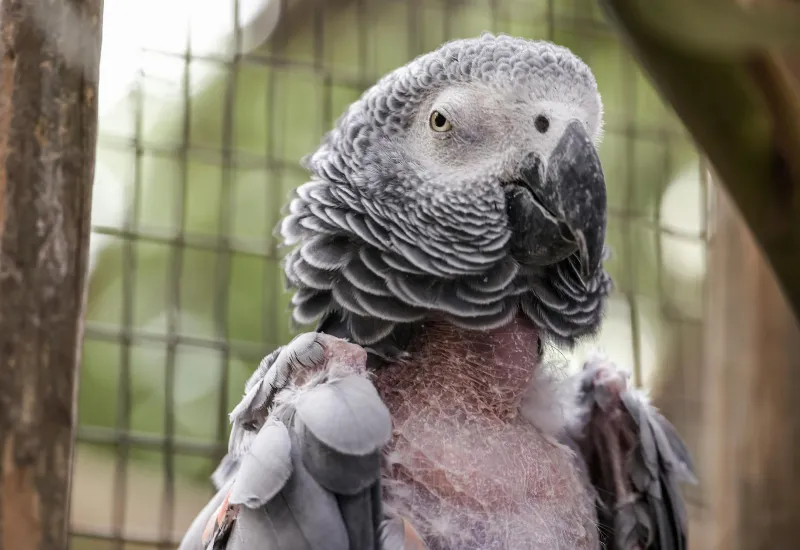
In a groundbreaking study published in a prominent journal, scientists observed a group of African grey parrots. These parrots were not only repeating words; they were using them to convey specific messages. For instance, one parrot named Alex would request specific items or even ask to interact with humans in playful ways.
The researchers noted that Alex communicated in a way that suggested comprehension. This was not mindless repetition. Instead, it was a sophisticated process of language acquisition. Parrots, it turns out, are excellent listeners and can interpret the feelings and intentions of those speaking to them.
How Do They Do It?
So, how do parrots learn language? Unlike many animals, they have a unique vocal organ called the syrinx. This allows them to produce a wide range of sounds, much like humans. But it’s not just the ability to produce sounds that sets them apart. Their social nature plays a crucial role.
Parrots thrive in social environments. They learn best when they’re interacting with others, whether it’s their flock or humans. This interaction fosters a dynamic learning process. The more they engage, the better they become at understanding and using language.
Unlike many species that rely on instinct, parrots can adapt their learning based on experience. This flexibility is key. It’s as if they’re tuning into the nuances of human speech, picking up on emotions and context.
The Emotional Connection
But there's more! The emotional connection between parrots and their human companions enhances their language learning. Studies have shown that parrots respond differently based on the tone of voice used by their owners. A cheerful tone might elicit playful behavior, while a stern voice could prompt a more subdued response.
This emotional intelligence makes them exceptional learners. When humans express warmth and encouragement, parrots are more likely to experiment with new words and phrases. This creates a positive feedback loop, encouraging them to communicate even more.
Implications for Understanding Animal Intelligence
These findings have broader implications. They challenge our understanding of animal intelligence and communication. If parrots can develop such complex language skills, what other animals might surprise us with their capabilities? This research opens the door to exploring communication in other species.
Imagine the possibilities! Dolphins, elephants, and even dogs might possess untapped potential for language comprehension and communication. As we learn more about parrots, we may find new ways to connect with and understand other animals.
Conclusion: A New Perspective on Parrots
In conclusion, the discovery of how parrots learn language is revelatory. It forces us to rethink what we know about communication. Parrots are not just mimics; they are intelligent beings capable of understanding and expressing complex ideas.
Next time you hear a parrot speak, remember: it’s not just noise. It’s a conversation, a connection, and a testament to the remarkable abilities of these feathered friends.
Hungry for more?
Explore thousands of insights across all categories.
