
Social Animals Communicate Strategically To Enhance Group Dynamics

Communication Signals in Social Species
Social animals exhibit remarkable communication skills that go beyond simple vocalizations. For instance, primates utilize a complex system of calls and gestures to convey various messages, such as alerting others to danger or coordinating group movements. These signals often include visual displays, facial expressions, and even body postures, which all contribute to a nuanced understanding of group dynamics.
The Role of Cooperation
Effective communication is vital for fostering cooperation among social animals. When members of a group can clearly convey their intentions, it leads to better coordination during activities such as foraging or defense against predators. For example, wolves use distinct vocalizations and body language to coordinate hunts, ensuring that every member plays a role in the group's success. This cooperative behavior not only strengthens bonds among individuals but also enhances the overall effectiveness of the group.
Impact on Survival
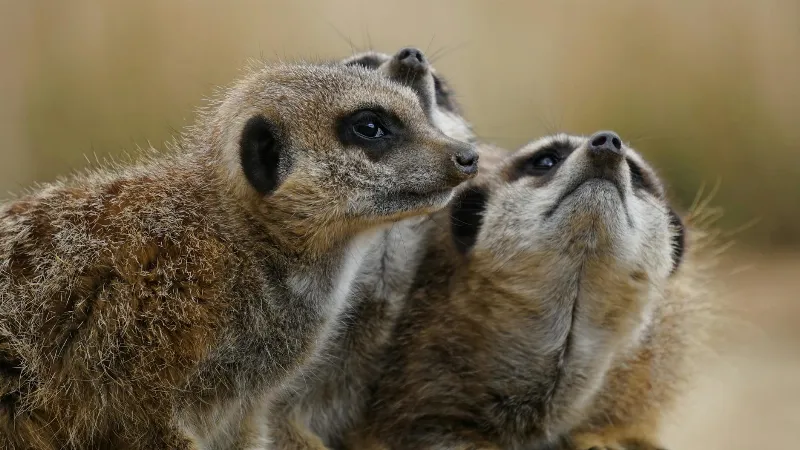
Advanced communication signals in social animals significantly impact their chances of survival. By sharing information about food sources or potential threats, these animals increase their collective awareness and ability to respond to environmental challenges. For instance, meerkats have developed a system of alarm calls that vary based on the type of predator, allowing group members to react appropriately. Such intricate communication systems are essential for navigating their complex social environments and ensuring group cohesion.
Conclusion
Social animals demonstrate how advanced communication is crucial for maintaining group dynamics and enhancing survival. Their ability to share information through various signals not only facilitates cooperation but also strengthens social bonds, showcasing the importance of communication in the natural world.
Hungry for more?
Explore thousands of insights across all categories.
