
Scientists Were Surprised When They Discovered How Wolves Communicate
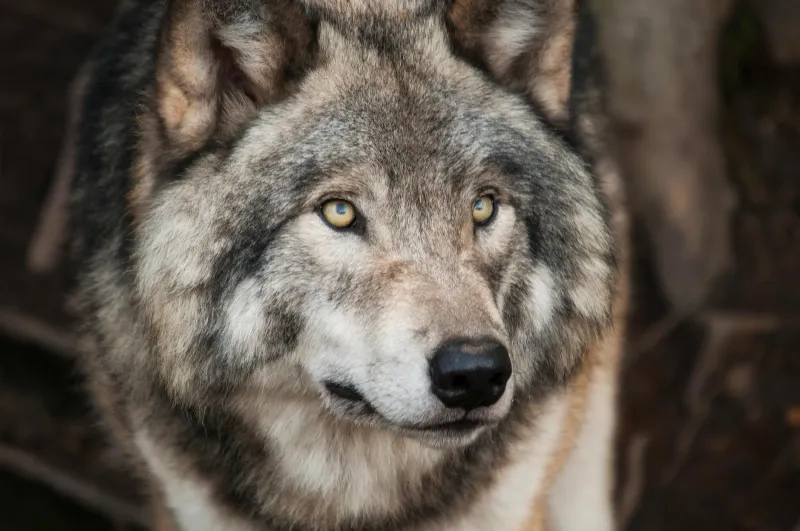

Unveiling the Mystery of Wolf Communication
Scientists have long been fascinated by the social structures and behaviors of wolves. These majestic creatures are known for their complex communication skills, which play a crucial role in their survival and social interactions. Recent studies have revealed that wolves utilize a range of vocalizations, body language, and even facial expressions to convey their emotions and intentions.
The most iconic form of communication among wolves is howling. This vocalization serves multiple purposes, from coordinating pack movements to strengthening social bonds. Researchers have discovered that different pitches and rhythms in howling can signal various messages, such as alerts to danger or calls for gathering the pack.
The Role of Body Language
In addition to vocalizations, body language is essential in wolf communication. Wolves use posture, tail position, and facial expressions to express their feelings. For example, a wolf with its tail held high may be exhibiting confidence, while a tucked tail indicates submission or fear. These non-verbal cues are vital for maintaining harmony within the pack and avoiding conflicts.
Interestingly, wolves also display unique facial expressions. A study showed that wolves can raise their eyebrows to appear more approachable and reduce tension during interactions. This ability to convey emotions through facial movements demonstrates a level of social intelligence previously underestimated.
Implications of Discoveries
The findings about wolf communication highlight the complexity of animal interactions and the importance of social bonds in their lives. Understanding how wolves communicate can provide insights into their behavior and social structures, which is crucial for conservation efforts. As habitats continue to shrink and human-wolf interactions increase, recognizing these communication methods can help mitigate conflicts and ensure the survival of these remarkable animals.
Hungry for more?
Explore thousands of insights across all categories.
