
Rediscovery of Herculaneum: How Archaeology Brought an Ancient City Back to Life
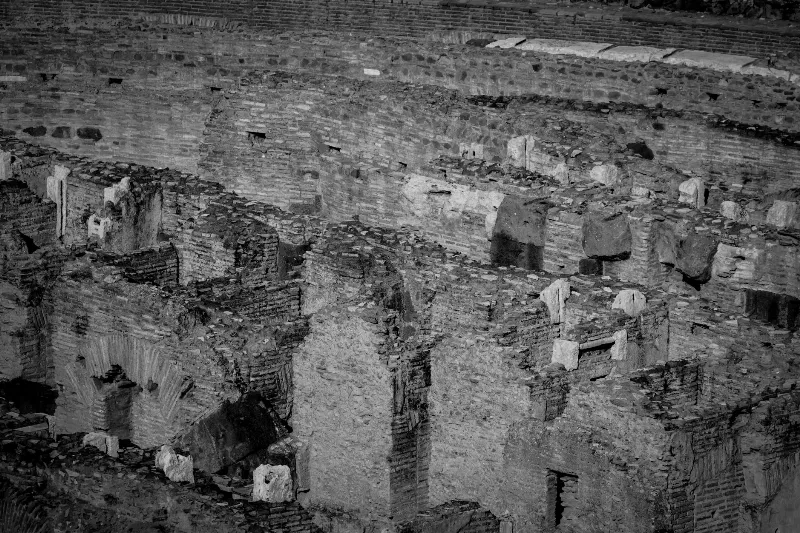

Amidst the rubble of a long-lost civilization, a team of workers struck something extraordinary in 1709. As they dug into the volcanic ash that had preserved Herculaneum for centuries, they unearthed a world frozen in time. This moment marked the beginnings of a significant archaeological journey that would reveal the daily life of Romans, their homes, and their culture.
Unveiling the Past
Herculaneum, located near the modern town of Ercolano in Italy, was a bustling coastal city until the catastrophic eruption of Mount Vesuvius. Buried under layers of ash and pumice, it remained hidden for nearly two millennia. The resurgence of interest in classical antiquity during the Renaissance laid the groundwork for its eventual rediscovery. The 1709 incident sparked curiosity among scholars and amateur archaeologists, igniting a series of excavations that would begin in earnest in the mid-18th century.
Excavation efforts initially focused on the more famous Pompeii, but as work progressed, Herculaneum's significance became increasingly apparent. The layers of volcanic material had preserved wooden structures, frescoes, and artifacts that provided invaluable insights into Roman life. Unlike Pompeii, where much of the organic material had perished, Herculaneum offered a rare glimpse into the domestic sphere of ancient Romans.
Significance of the Findings
The discoveries at Herculaneum challenged previous notions of Roman architecture and urban living. The well-preserved state of the city illustrated advanced engineering techniques, including the use of concrete and innovative construction methods. Furthermore, the artifacts uncovered, ranging from pottery to jewelry, paint a vibrant picture of daily life, trade, and social structures of the time.
Among the most notable findings were the carbonized scrolls from a villa, which have since become a focal point for scholars. These texts, once thought lost to time, are now being studied using modern imaging techniques, revealing lost works of philosophy and literature that enrich our understanding of ancient thought.
As excavations continued into the 19th and 20th centuries, the site became a significant focal point for archaeological study, attracting scholars from around the world. Each layer of ash revealed more about the past, creating a narrative that connected ancient Rome to our present understanding of history.
A Legacy of Preservation
Today, Herculaneum is recognized not just for its archaeological significance but also for the ongoing efforts to preserve its ruins. As climate change and urban development threaten historical sites worldwide, Herculaneum stands as a powerful reminder of the importance of protecting our cultural heritage. The site has been the subject of various restoration projects, aiming to ensure that future generations can learn from and appreciate this extraordinary glimpse into the past.
As visitors walk through the remnants of Herculaneum, they encounter a narrative that transcends time, connecting the modern world to the lives of those who walked its streets nearly two thousand years ago. Each fragment of pottery and every wall painting tells a story of resilience and continuity, echoing the enduring nature of human history.
Hungry for more?
Explore thousands of insights across all categories.
