
Plant communication breakthrough: How recent findings reveal complex networks among forest species
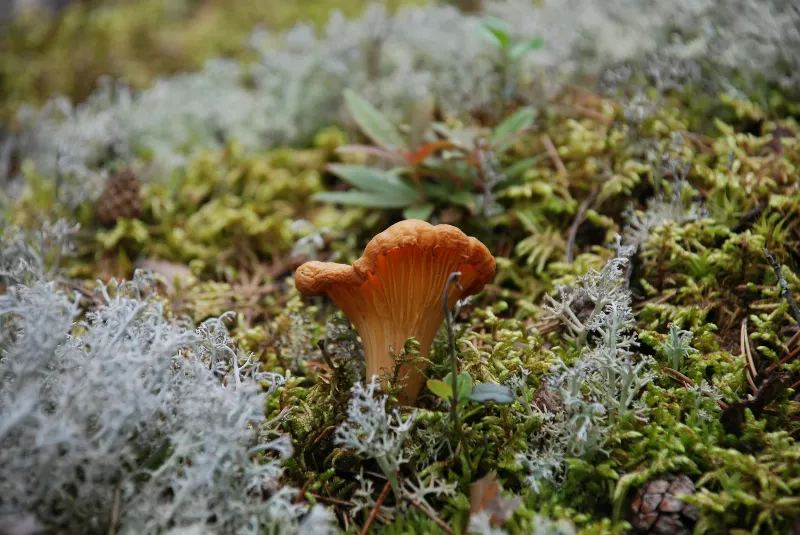

Unveiling the Hidden Conversations of Forests
Imagine standing in a lush forest, surrounded by towering trees and vibrant undergrowth. What if I told you that beneath the surface, these plants are engaged in a complex web of communication? Recent studies have shed light on how forest species interact through intricate networks, fundamentally altering our perception of plant life.
Understanding Plant Communication
For decades, scientists have marveled at the idea that plants can communicate. However, only recently have they begun to uncover the mechanisms behind this fascinating phenomenon. The findings suggest that:
- Plants utilize chemical signals to warn neighboring species of threats like pests.
- Root systems can connect through fungal networks, enabling nutrient exchange and information sharing.
- Species can adapt their behavior based on the signals received from others, enhancing survival.
The Role of Mycorrhizal Networks
Central to these interactions are mycorrhizal networks, fungal threads that link the roots of different plants. These "wood wide web" systems allow for:
- Resource sharing among various species, fostering a cooperative ecosystem.
- Facilitating communication of distress signals, such as when a tree is attacked by insects.
Impact on Ecosystem Dynamics
You might wonder how this newfound knowledge affects our approach to conservation and forestry. Understanding these communication networks can lead to:
- Improved forest management practices that promote biodiversity.
- Strategies to restore damaged ecosystems by fostering natural communication pathways.
As we delve deeper into the interconnectedness of forest species, we begin to appreciate the complexity of nature. This awareness not only enriches our knowledge but also underlines the importance of preserving these ecosystems for future generations.
The Future of Plant Communication Studies
With advancements in technology, researchers are now able to explore plant communication at unprecedented levels. Tools such as:
- Genome sequencing to identify specific genes involved in communication.
- Remote sensing techniques to monitor plant health and responses in real-time.
These innovations promise to unlock even more secrets about the symbiotic relationships within forests, pushing the boundaries of what we know about plant intelligence.
Hungry for more?
Explore thousands of insights across all categories.
