
Oceans Store 20 Million Years Of Earth's Secrets Unlocked

Ancient Archives Beneath The Waves
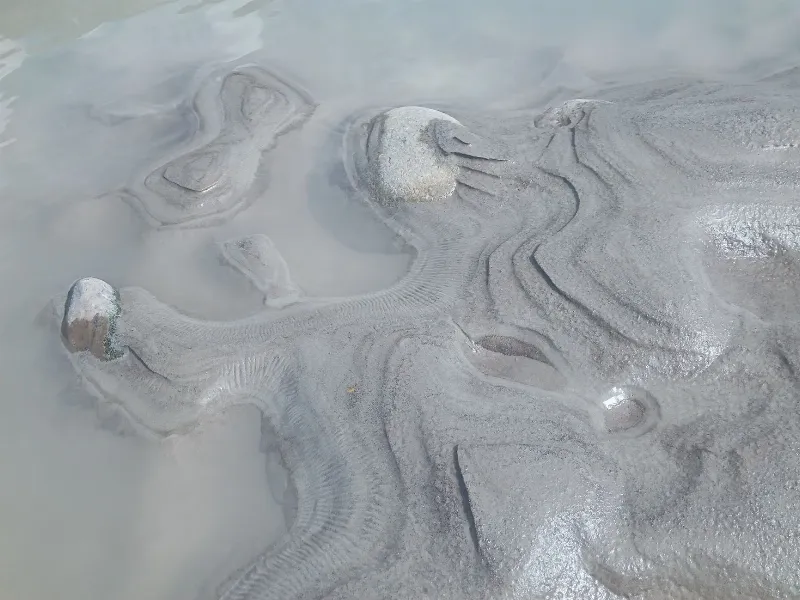
Oceans, covering over 70% of the Earth's surface, act as vast reservoirs of information. Layers of sediment accumulating on the ocean floor can contain fossils and minerals that date back millions of years, preserving evidence of ancient life and climate changes. These sediments serve as archives, offering scientists a glimpse into the planet's past.
Unlocking Climate History
Recent studies have shown that marine sediments can reveal critical data about Earth's climate history. For instance, ice core samples indicate temperature fluctuations during the last 800,000 years, while ocean sediment cores can extend our understanding back even further. By analyzing these sediments, researchers can reconstruct ancient climates and assess how ecosystems responded to changes over time.
- Fossils provide insights into species evolution.
- Mineral deposits indicate ancient ocean chemistry.
- Layering reveals periods of volcanic activity and glaciation.
As technology advances, methods such as deep-sea drilling are becoming more sophisticated, allowing scientists to access sediment layers previously thought unreachable. This not only enhances our understanding of marine biology but also informs climate change models, helping predict future scenarios based on past patterns.
Each sediment layer tells a story, intertwining the physical history of the Earth with the evolution of life. The ocean's depths hold a key to understanding the intricate relationship between climate, geography, and biological diversity, prompting us to ponder what other secrets might be waiting to be uncovered.
Hungry for more?
Explore thousands of insights across all categories.
