
Nebulae Unveil Secrets of Star Formation
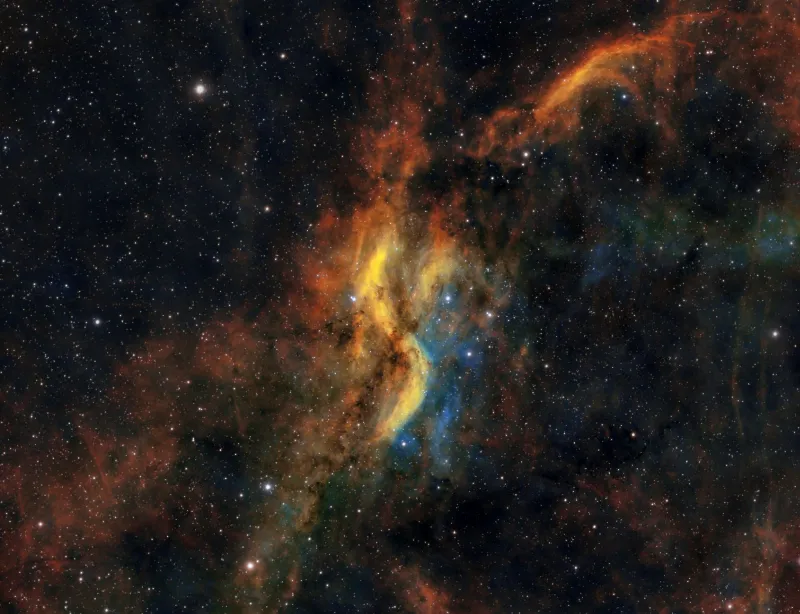

Cosmic nurseries of the universe
Nebulae are often referred to as the "birthplaces" of stars, providing the necessary conditions for star formation. These massive clouds of gas and dust are rich in hydrogen, helium, and other elements, forming the fundamental building blocks of stars. When regions of a nebula become dense enough, gravity takes charge, pulling material together to create protostars. This process can take anywhere from a few hundred thousand to several million years, showcasing the slow yet transformative nature of star birth.
Dynamic interactions within nebulae
Within nebulae, various factors contribute to the star formation process. Shock waves from nearby supernovae can compress parts of a nebula, triggering the birth of new stars. Additionally, interactions between different nebulae can lead to the merging of materials, creating larger clouds that foster even more substantial star formation. As stars ignite and begin nuclear fusion, they release energy that impacts their surroundings, shaping the nebula and influencing future generations of stars.
These cosmic phenomena not only illuminate the workings of the universe but also raise questions about the lifecycle of stars and the fate of planetary systems. Understanding nebulae and their role in star formation gives insight into the complexities of cosmic evolution, revealing the interconnectedness of all celestial bodies.
Hungry for more?
Explore thousands of insights across all categories.
