
Mysterious data leak: Why a recent breach at CERN could reshape particle physics research

Background of the Incident
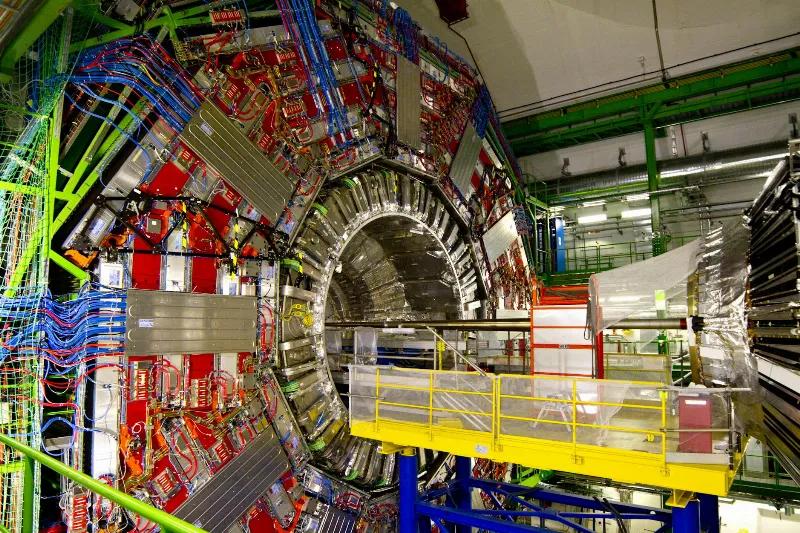
On January 15, 2026, CERN reported a significant data breach that exposed sensitive research material related to the Large Hadron Collider (LHC). This breach has been described as one of the most extensive in the organization's history, with implications that could ripple through the field of particle physics.
What Was Leaked?
The leak involved over 250 terabytes of data, including:
- Research papers on Higgs boson studies
- Confidential communications among physicists
- Unpublished experimental results
Some of the leaked documents contained preliminary findings from ongoing experiments that could alter foundational theories in particle physics.
Who Was Behind the Breach?
Preliminary investigations suggest that the breach may have originated from a group of hackers targeting scientific institutions. Specific indicators point to a collective known for breaching academic databases and stealing sensitive research data. This group had previously targeted several universities and research facilities across Europe.
Impact on Particle Physics Research
You might wonder how a data leak at CERN can reshape particle physics. The fallout from this incident could extend far beyond the immediate security concerns.
Potential Consequences
- Intellectual Property Theft: Researchers fear that sensitive information about particle physics could be exploited for commercial purposes, leading to a race to patent discoveries.
- Loss of Public Trust: The breach raises questions about data security in scientific research, potentially undermining public trust in major scientific institutions.
- Stifled Collaboration: International partnerships might suffer as institutions become wary of sharing sensitive data.
Reactions from the Scientific Community
"This breach is a wake-up call for the scientific community. We must prioritize data security to protect our research and integrity," said Dr. Elena Rodriguez, a leading physicist at CERN.
Dr. Rodriguez’s statement highlights a growing concern among scientists about the safety of their research in an increasingly digital world.
Future Measures
In response to the breach, CERN is implementing several immediate measures:
- Enhanced cybersecurity protocols across all research departments
- Mandatory training for staff on data protection
- Increased monitoring of data access and sharing
These measures aim to prevent future breaches and restore confidence in the institution's commitment to data security.
Long-term Implications
As CERN navigates the aftermath of this breach, the implications for future particle physics research remain uncertain. It serves as a critical reminder of the vulnerabilities facing scientific research in the digital age. Imagine the potential breakthroughs that could be lost or delayed due to security concerns.
Ultimately, the community must adapt to safeguard its discoveries against the evolving landscape of cyber threats.
Hungry for more?
Explore thousands of insights across all categories.
