
Marine Animals Showcase Unique Intelligence For Ecosystem Navigation

Adaptive Behaviors in Marine Environments
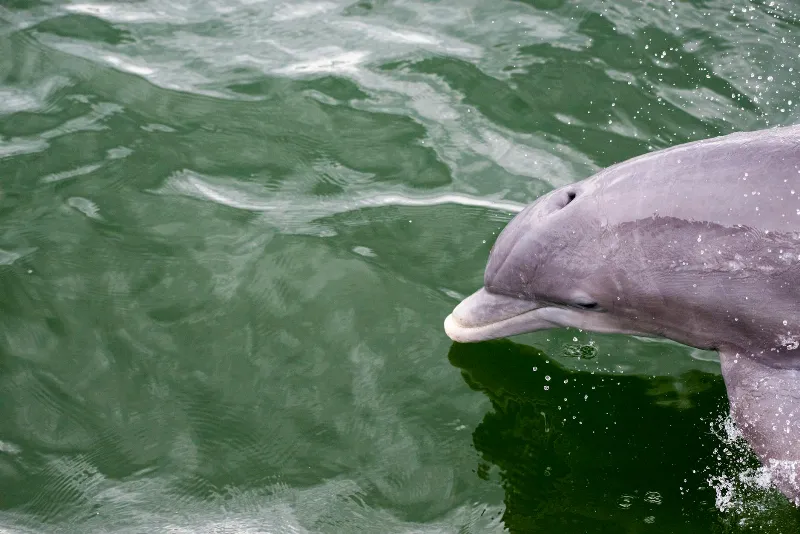
Marine animals demonstrate a wide range of intelligent behaviors that help them adapt to their environments. For instance, dolphins are known for their sophisticated social structures, employing vocalizations and body language to communicate with one another. This communication is crucial for coordinating group hunting and navigating through complex habitats like coral reefs.
Use of Environmental Cues
Many marine species rely on environmental cues to navigate. Sea turtles, for example, use the Earth’s magnetic field to find their way across vast oceans during migration. Their ability to detect these geomagnetic signals is a remarkable adaptation that has evolved over millions of years. Similarly, salmon utilize olfactory cues to return to their spawning grounds, demonstrating how sensory information is critical for survival.
Social Learning and Tool Use
Some marine animals, such as octopuses, exhibit behaviors that suggest advanced problem-solving skills. They are known to use tools, like coconut shells or shells, to protect themselves or to capture prey. This kind of behavior indicates not only intelligence but also the ability to learn from their environment and experiences. Social learning, where individuals observe and imitate others, further enhances their adaptability.
Understanding the intelligence of marine animals reveals the intricate connections within ocean ecosystems. Each species plays a vital role, contributing to the balance and health of their habitats. As we continue to explore these underwater worlds, the behaviors and adaptations of marine life remind us of the complexity and beauty of nature.
Hungry for more?
Explore thousands of insights across all categories.
