
How Do Cuttlefish Use Camouflage to Survive

Masters of Disguise
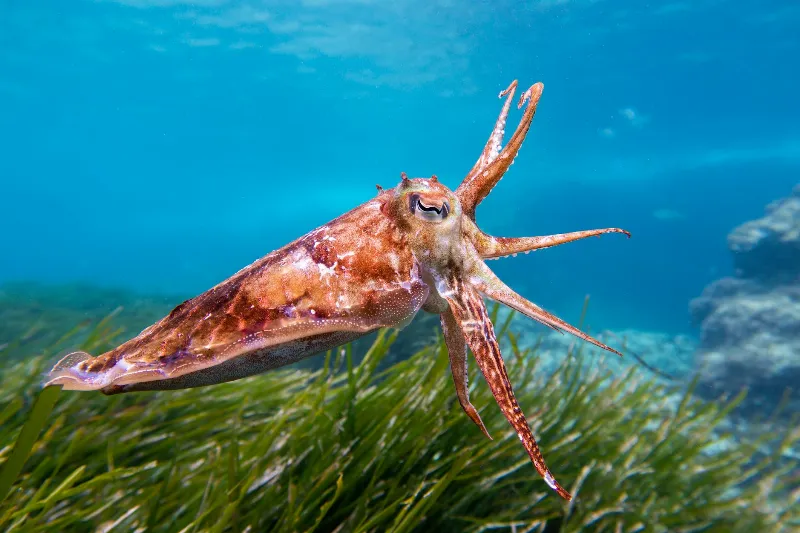
Cuttlefish possess an extraordinary ability that seems almost magical: they can blend seamlessly into their surroundings. This remarkable skill is not just for show; it serves as a crucial survival mechanism in the ocean's diverse environments. By adjusting their skin color and texture, cuttlefish can hide from both predators and prey, making them effective hunters and elusive targets.
Camouflage Techniques
These fascinating creatures utilize specialized skin cells called chromatophores, which contain different pigments. When a cuttlefish wants to change its appearance, it contracts or expands these cells, altering its color. Additionally, it can manipulate another type of cell called iridophores, which reflect light, allowing for even more dynamic transformations. For example, a cuttlefish might mimic the sandy ocean floor to go unnoticed while waiting for a fish to swim by.
There are three primary methods cuttlefish employ for camouflage:
- Color Change: Altering skin color to match surroundings.
- Texture Change: Changing skin texture to mimic rocks or coral.
- Behavioral Techniques: Remaining still and using environment to hide.
Cuttlefish are not only adept at hiding from threats, but they also use these skills when hunting. By blending into the background, they can ambush prey without detection. This dual purpose of camouflage highlights the evolutionary advantages of this ability.
Understanding how cuttlefish utilize camouflage deepens our appreciation for the complexities of marine life. These adaptations showcase the intricate relationships between species and their environments, reminding us of the wonders of the natural world.
Hungry for more?
Explore thousands of insights across all categories.
