
Green Isn't Just Green: Misunderstanding Nature's Color Spectrum
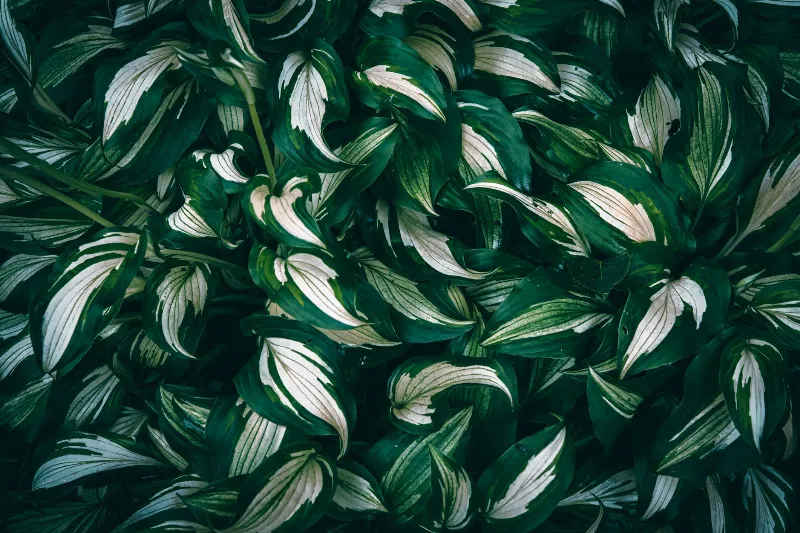
Green: More Than Just a Color
When people think of the color green, they often picture a simple hue associated with grass, leaves, and nature. However, green is far more complex than that. In nature, the color green exists in a vast spectrum, ranging from the bright, almost neon tones of newly sprouted leaves to the deep, muted shades found in ancient forests. Each shade serves a purpose, playing a crucial role in the ecosystem.
Shades of Green and Their Ecological Roles
Different shades of green are not merely aesthetic variations; they often indicate specific adaptations to the environment. For example, plants like ferns and mosses showcase darker greens due to their ability to absorb light in shaded areas. In contrast, the vibrant green of young leaves is a sign of photosynthetic efficiency, maximizing energy capture during their growth phase.
Moreover, the presence of certain pigments can alter the shade of green seen in plants. Chlorophyll, the pigment responsible for the green color, has variations that can lead to different greens. Additionally, environmental factors like soil quality and water availability can influence the intensity and type of green a plant exhibits.
- Bright green plants tend to thrive in open sunlight, showcasing their ability to photosynthesize effectively.
- Dark green foliage often indicates shade tolerance, allowing plants to survive in low-light conditions.
These variations highlight the adaptability of plant life in response to their surroundings. Understanding the spectrum of green can provide insights into the health of ecosystems and the interplay between different species.
Hungry for more?
Explore thousands of insights across all categories.