
Fungal Mycelium Networks Challenge Ecosystem Interaction Rules
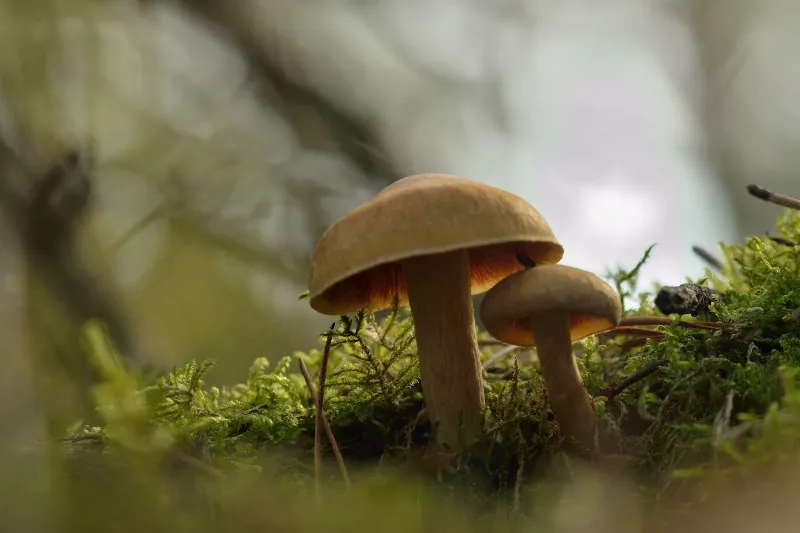

Redefining Ecosystem Interactions
Fungi, often overlooked, play a crucial role in ecosystems through their mycelium networks. These networks, which spread underground, create a vast web connecting plants and trees, enabling communication and nutrient sharing. This system challenges the conventional view that ecosystems function mainly through competition. Instead, it suggests a cooperative framework where organisms support one another.
Impacts on Biodiversity and Plant Health
Research indicates that plants connected through mycelium networks tend to thrive better than isolated ones. They can share resources like water and nutrients, especially in nutrient-poor environments. Moreover, these networks facilitate the transfer of information about pests or diseases, allowing neighboring plants to bolster their defenses. Thus, fungal networks not only enhance plant health but also contribute to overall biodiversity within ecosystems.
Emerging Perspectives on Ecological Dynamics
The findings surrounding fungal mycelium networks provoke a reevaluation of ecological dynamics. Traditional models often emphasize competition as the driving force behind species interactions. However, the evidence suggests that mutualism and cooperation are equally vital. This insight encourages researchers to develop new models that incorporate these complex relationships, potentially leading to improved conservation strategies and agricultural practices.
As scientists continue to explore these underground networks, the implications for ecology, agriculture, and conservation are profound. Understanding the intricate relationships fostered by fungi can help us better manage ecosystems and sustain biodiversity in a changing world.
Hungry for more?
Explore thousands of insights across all categories.
