
Bioluminescence Study Challenges Ecosystem Interaction Rules
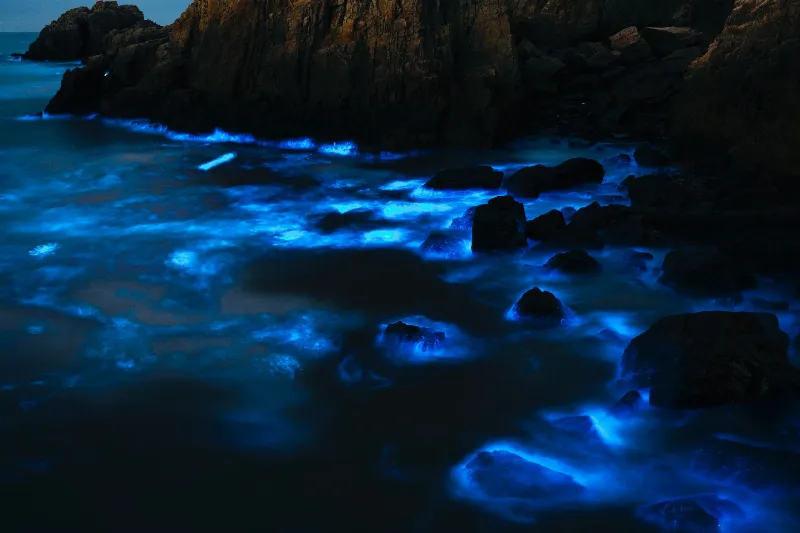

Bioluminescence Unveiled
In the depths of the ocean, some organisms glow with an ethereal light, captivating scientists and nature enthusiasts alike. This phenomenon, known as bioluminescence, occurs when living organisms produce light through biochemical reactions. It is not just a curious spectacle; it plays a crucial role in the survival strategies of various species. From attracting mates to luring prey, bioluminescence is a sophisticated tool that enhances ecological interactions.
Illuminating Ecosystem Interactions
Traditionally, ecosystems were viewed through a lens of competition and predation. However, bioluminescence challenges this perspective by emphasizing cooperation and adaptation among species. For instance, certain species use their light to communicate and coordinate hunting strategies, demonstrating a level of interdependence previously underestimated. This shift in understanding encourages a reevaluation of ecological dynamics and species interactions.
Research has shown that bioluminescent organisms often form symbiotic relationships, where both parties benefit. This can be seen in the case of certain fish that host bioluminescent bacteria, which help them evade predators by camouflaging their silhouette against the faint light of the ocean surface. Such interactions not only highlight the complexity of marine life but also suggest that cooperation may be as vital as competition for survival.
Moreover, bioluminescence serves as a reminder of the delicate balance within ecosystems. Disruptions, whether from pollution or climate change, can have cascading effects on these intricate relationships. Understanding bioluminescence can aid in conservation efforts, guiding strategies to protect both species and their habitats. By studying how light affects interactions, researchers can better predict the impacts of environmental changes.
Broader Implications of Bioluminescence
As scientists delve deeper into bioluminescence, they uncover insights that extend beyond the ocean. Applications range from medical imaging, where bioluminescent markers help visualize biological processes, to innovations in sustainable lighting inspired by nature. This knowledge not only enriches our understanding of biodiversity but also opens doors to technological advancements.
The study of bioluminescence exemplifies how nature's wonders can inform scientific inquiry and practical applications. By exploring these natural phenomena, we can appreciate the interconnectedness of life and the need to preserve the intricate web of existence.
Hungry for more?
Explore thousands of insights across all categories.
