
Mycelium Networks Challenge Ecosystem Interaction Theories
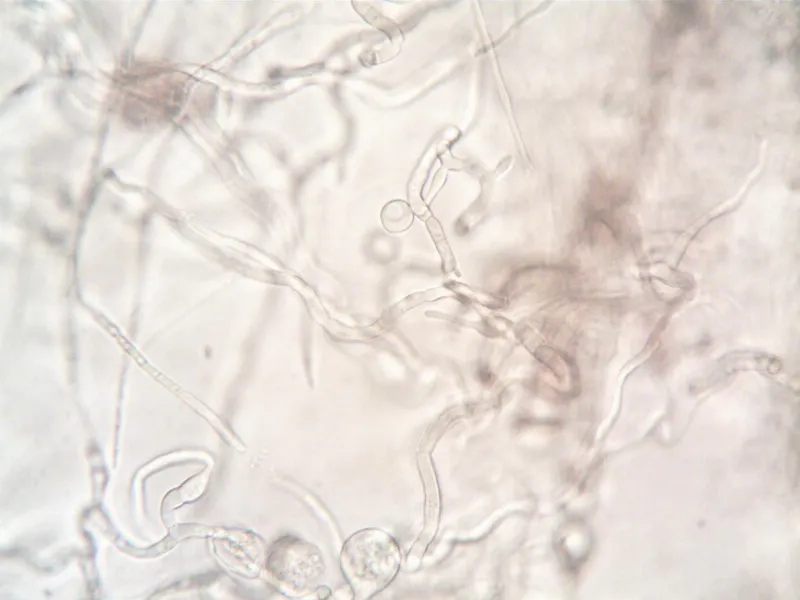

Mycelium: The Underground Network
Imagine walking through a forest and completely missing the bustling activity happening beneath your feet. Mycelium, the root structure of fungi, creates an intricate web that connects various plants and trees. This network facilitates the exchange of nutrients and information, acting as a communication system among plants. It allows trees to share resources, such as carbon and water, which can significantly enhance their resilience to environmental stressors.
Redefining Ecosystem Interactions
Traditionally, ecosystems were viewed as isolated entities with each species acting independently. However, studies of mycelium networks challenge this notion. Researchers have found that these networks enable a complex interdependence among plants, suggesting that ecosystems are far more integrated than previously thought. This has profound implications for our understanding of biodiversity and conservation efforts, highlighting the importance of protecting these fungal networks to maintain healthy ecosystems.
Implications for Agriculture and Conservation
Understanding mycelium networks also opens new avenues for sustainable agriculture. By fostering healthy mycelial networks in soil, farmers can enhance crop yields and reduce the need for chemical fertilizers. This approach not only benefits agricultural productivity but also promotes soil health, leading to a more sustainable food system. Furthermore, recognizing the role of mycelium in ecosystems underlines the necessity of preserving natural habitats, as these networks are crucial for maintaining biodiversity.
As we delve deeper into the world of mycelium, it becomes clear that these networks are not merely decomposers but vital players in the health and stability of ecosystems. Their study encourages a reevaluation of how we perceive ecological relationships, urging us to see the interconnectedness that sustains life on Earth.
Hungry for more?
Explore thousands of insights across all categories.
