
Flamingo Color Misconceptions: What Really Colors Their Feathers
Color Origin: Beyond Diet
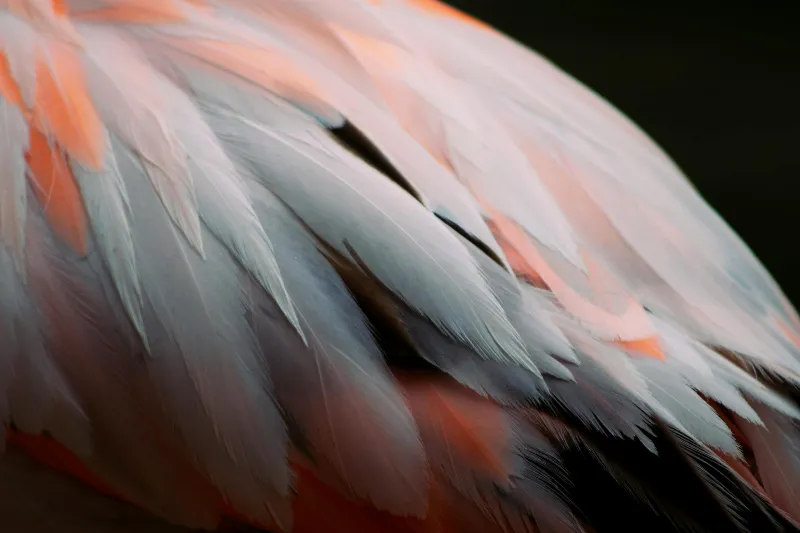
Flamingos are renowned for their vibrant pink feathers, but many might be surprised to learn that this striking coloration isn't purely a result of their diet. While it's true that the carotenoids found in their food, such as shrimp and algae, play a significant role in coloring their feathers, the process involves a complex biological transformation.
Feather Transformation
The real magic happens in the flamingo's liver, where carotenoids are metabolized. These pigments are then deposited in the feathers, skin, and even the beak. Interestingly, the intensity of the pink can vary based on the flamingo's diet and environment. In some cases, flamingos that consume less carotenoid-rich food can appear paler or even white.
Broader Implications
This phenomenon reveals much about the relationship between animals and their environments. Flamingos are not merely passive consumers; their health, nutrition, and social structures are deeply intertwined with their habitats. Changes in food availability can significantly affect their coloration and overall well-being.
Nature's Palette
Flamingos serve as a captivating reminder of nature's complexity. Their color is not just a superficial trait but a reflection of their ecological niche and biological processes. As we learn more about these birds, we gain insight into the delicate balance of ecosystems and the impact of environmental changes.
In essence, flamingos embody a fascinating blend of biology and beauty, reminding us that even the simplest characteristics can have profound underlying stories.
Hungry for more?
Explore thousands of insights across all categories.